

Castilla y León
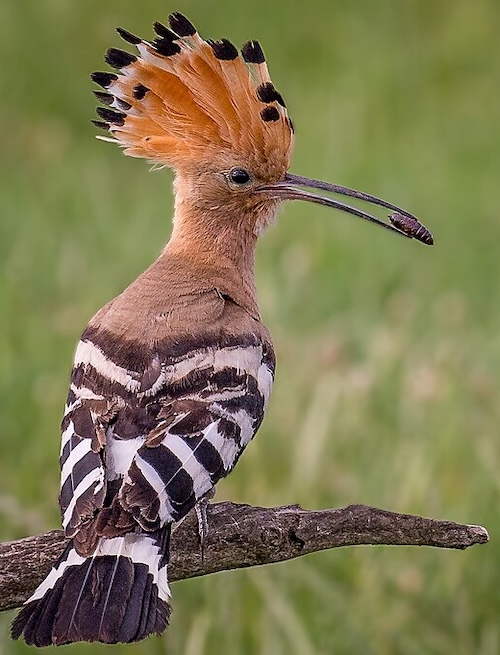
Castilla y León is a landlocked autonomous community and region in northwest Spain comprising the provinces of Lión, Zamora, Salamanca, Ávilia, Burgos, Palencia, Segovia, Soria, and Valladolid. The city of Valladolid, with a population of over half a million citizens, is the de facto capital. It is bordered by Portugal to the west as well as the Spanish community of Galicia; by Asturias, Cantabria, the Basque Country and La Rioja to the north; by Aragon to the east, and by Castilla-La Mancha, Madrid and Extremadura to the south. It is the largest region of Spain and covers some 94,216.91 km2 (36,377.35 square miles) with a population approaching two and a half million people.
The topography of Castile and León consists, for the most part, of the northern half of the Meseta Central (Meseta Norte) and a belt of mountains. The Meseta Central is a high plateau with an average altitude close to 2,600 feet, which is covered by deposited clay materials that have given rise to a dry and arid landscape.

Paisaje de Castilla y León – ©19Tarrestnom65 CC BY-SA 4.0 via Wikimedia Commons
The main drainage is by the Douro River and its tributaries. From its source in the Picos de Urbión, in Soria, to its mouth in the Portuguese city of Porto, the Douro runs for 897 km. Its tributories from the north are the Pisuerga, the Valderaduey and the Esla rivers, its weaker flowing eastern tributaries are the Adaja and the Duratón. After passing the town of Zamora, the Douro is confined between the canyons of the Arribes del Duero Natural Park, on the Portugal border. On the left bank are important tributaries such as Tormes, Huebra, Águeda, Côa and Paiva, all from Sistema Central and the Sabor, the Tua and the Tâmega, which come from the Galician Massif. After the Arribes area, the Douro turns west into Portugal until it empties into the Atlantic Ocean.

Arribes Río Duero – ©Miguel Ángel Quintas CC BY-SA 3.0 via Wikimedia Commons
Several rivers empty into the Ebro basin, in Palencia, Burgos and Soria (Jalón river), that of Miño-Sil in León and Zamora, that of the Tagus in Ávila and Salamanca (rivers Tiétar and Alberche and Alagón respectively) and Cantabrian basin.
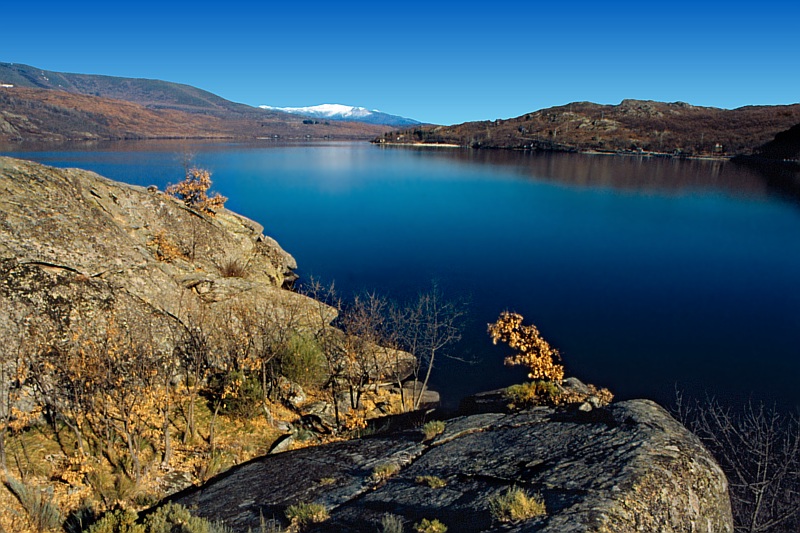
Sanabria Lake – © Jose Mario Pires
In addition to the rivers, the Douro basin also hosts a large number of lakes and lagoons such as the Negra de Urbión Lake, in the Picos de Urbión, the Grande de Gredos Lake, in Gredos, the Sanabria Lake, in Zamora or the La Nava de Fuentes Lake in Palencia and there are also many reservoirs, fed by the thaw of the snowy summits. Despite low rainfall, the region has the highest level of water in reservoirs.
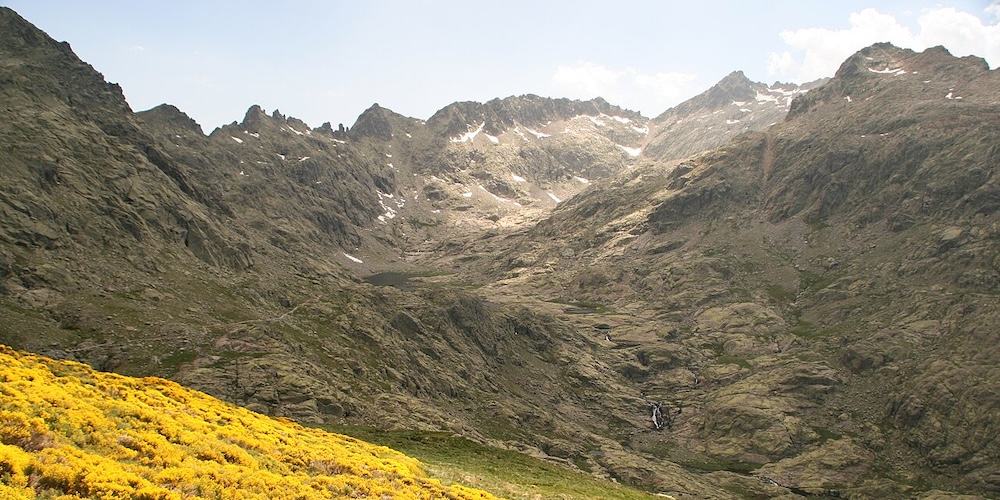
Sierra de Gredos – ©Nachosan CC BY-SA 3.0 via Wikimedia Commons
The region’s climate is continental Mediterranean with long cold winters and short hot summers.
Birding Castilla y León
The dominating geographical feature of Castilla y Leon is the high central plain around the regional capital Valladolid, and rising from the plains on all sides are high mountain ranges, except to the west where the Duero river valley runs toward Portugal. But even among the cereal prairies can be found a surprising amount of wildlife – even bears and wolf packs.
In the many sparsely inhabited areas you can find graceful beech woods, pine forests, and marginal farming lands now reverting to birch and pine that are being recolonised by both Roedeer and raptors. In the west are the Lagunas of Sanabria and Villafafila, important winter wetlands for migrating and wintering wildfowl, and moreover the Villafafila National Reserve also contains the steppes that are an important world site for Great Bustard.
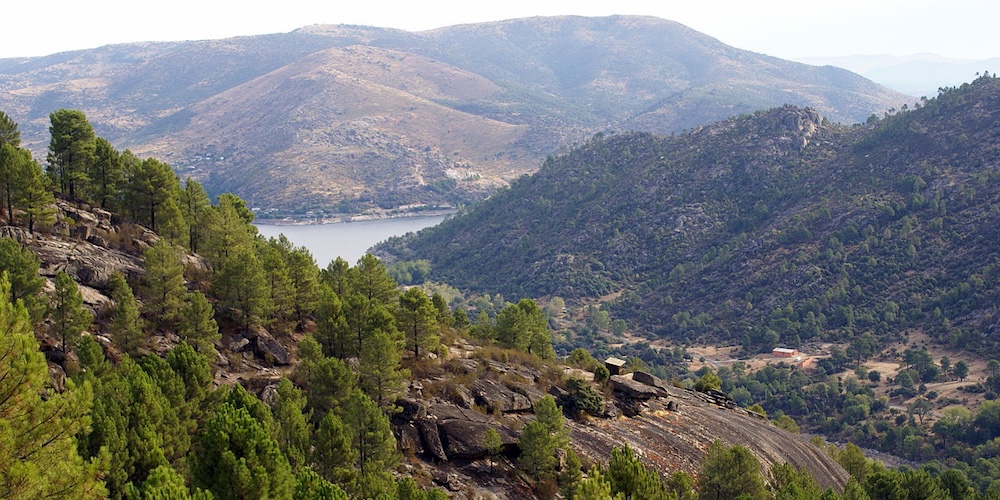
Reserva Natural del Valle de Iruelas – ©Rastrojo CC BY-SA 3.0 ES via Wikimedia Commons
To the north are the Cantabrian Mountains and the Picos de Europa whose stunning rugged scenery attracts many walkers, including those who follow the pilgrimage route toward Santiago de Compostello. The Picos, with their stunning rugged scenery form a part of one of Spain’s nine National Parks, Montana de Covadonga, with the largest chamois population in Europe, and home to Black Woodpecker, Wallcreeper, and Capercaillie.

Picos de Europa – ©Sara Bento Photography CC BY-SA 4.0 via Wikimedia Commons
In the south is the Cordillera Central including the Guadarama and Gredos Mountains. These wild crags rise to 8,900 feet at Pico Almanzor, and here it is easy to find Ibex, Black Vulture, Golden and Bonelli’s Eagles, and also White-spotted Bluethroat, Rock Thrush and Rock Bunting. To the south these mountains give way to the cork oak woodlands of Extremadura and beyond with their Azure-winged Magpies, Black-shouldered Kite, Citril Finch and Golden Oriole.
-
Number of bird species: 392
(As at May 2026)
-
Avibase
PDF ChecklistThis checklist includes all bird species found in Castilla y León , based on the best information available at this time. It is based on a wide variety of sources that I collated over many years. I am pleased to offer these checklists as a service to birdwatchers. If you find any error, please do not hesitate to report them. -
eBird
PDF ChecklistThis checklist is generated with data from eBird (ebird.org), a global database of bird sightings from birders like you. If you enjoy this checklist, please consider contributing your sightings to eBird. It is 100% free to take part, and your observations will help support birders, researchers, and conservationists worldwide.

-
Las Aves Esteparias en Castilla y Leon
| (Distribucion, Poblacion y Tendencia) | by Javier Garcia & Joaquin Sanz-Zuasti | Junta de Castilla y León | 2006 | Paperback | 236 pages, colour photos, tables | Spanish Text | ISBN: 9788497180290 Buy this book from NHBS.com -
Where to Watch Birds in Northern & Eastern Spain
| By Ernest FJ Garcia & Michael Rebane | Bloomsbury Publishing | 2017 | Paperback | 384 pages, 30 b/w illustrations, 125 b/w maps | ISBN: 9781472936752 Buy this book from NHBS.com
-
Asociación de Estudios Ornitológicos del Bierzo
WebsiteThe Association of Ornithological Studies of El Bierzo 'Tyto alba' was established in 1989 and is made up of more than a hundred people, mostly biologists, environmentalists, forestry engineers and many others with an interest in the protection of nature. -
TRINO (Tourismo Rural de Interior y Ornitologia)
WebsiteTRINO was set up to promote responsible ornithological tourism in Castile and Leon. The project works with rural accommodation providers in the region to provide a quality service focused around the needs visiting birdwatchers. Their regional guide in English provides an excellent overview of the main habitats and bird species in the region, accommodation linked to the project and local contact organisations
-
NP Arribes del Duero
InformationSatellite ViewCovering 106.105 ha in the autonomous community of Castile and León. In this area the river Duero forms the national boundary between Spain and Portugal, and the Portugal side is also protected under the figure of International Douro Natural Park. The park is a Special Protection Area, recognised by European Union for birds such as the black stork. -
NP Parque Nacional y Regional de Picos de Europa
InformationSatellite ViewSpain's oldest National Park (1918); and the second largest in size, the Picos de Europa extends over three provinces: Asturias, Cantabria and León. This remarkable limestone range is Atlantic Europe's most extensive and is famous for its vertiginous slopes that go from 225ft above sea level to the highest peak, Torre Cerredo, 8100ft. These different altitudes and its proximity to the sea give rise to an impressive variety of flora and fauna… -
NP Parque Natural de las Hoces del río Duratón
InformationSatellite ViewEl Parque Natural de las Hoces del río Duratón está situado en el noreste de Segovia, aguas abajo de la villa de Sepúlveda. En esta zona el río se ha encajado en un profundo cañon, que en algunos lugares alcanza más de 100 metros de desnivel. Al interés y belleza del paisaje hay que añadir la gran riqueza arqueológica e histórica que encierra en su interior esta garganta. -
NP Parque Natural del Cañón del Río Lobos
InformationSatellite ViewEl Parque Natural del Cañón del Río Lobos constituye un singular espacio biogeográfico estructurado sobre el eje de un profundo cañón de escarpados farallones. -
NR Lagunas de Villafáfila (Villafafila)
InformationSatellite ViewThis is the most popular area for aquatic, steppe and migratory birds in Castile and Leon and one of the most important wetlands of northern Spain. The reserve is formed by three main lakes and other smaller wetlands and is surrounded by farmland. It is home to almost 2,000 great bustards, making it the largest colony of this species in the world. The reserve is also popular with wintering aquatic birds including around 30,000 Graylag geese… -
NR Las Riberas de Castronuño (Vega del Duero)
InformationSatellite ViewRiberas de Castronuño Natural Reserve - Vega del Duero The Riberas de Castronuño appear as a natural space located in the center of the province of Valladolid and whose territory encompasses the stretch of the River Duero, between the towns of Tordesillas and Castronuño. In this last town there is also the San José reservoir. -
NR Parque Natural del Lago de Sanabria
InformationSatellite ViewEn el Pleistoceno Superior, hace 100.000 años, un impresionante glacial con lenguas de hielo de más de 20 kilómetros sirvió de origen al actual Lago de Sanabria. -
NR Parque Natural del Valle de Iruelas
InformationSatellite ViewEn el límite más oriental de la Sierra de Gredos se descubre un pequeño y especial territorio: el Valle de Iruelas. Drenado por una serie de arroyos de montaña -el principal es el de Iruelas, afluente del río Alberche- sus laderas aparecen cubiertas por un valioso bosque formado por una gran diversidad de especies. Entre todas destacan los pinos negral y laricio, de los que aún se conservan unos grandes y milenarios ejemplares. En los límites del abulense Valle de Iruelas está instalada la colonia más numerosa (alrededor de ochenta parejas) de buitres negros de todo el continente europeo. -
NR Valle de Iruelas
InformationSatellite ViewThe Valle de Iruelas is located on the easternmost side of the Sierra de Gredos. Along its edge (in the province of Avila) can be found the largest colony of black vultures in continental Europe (around 80 pairs) and other birds of prey such as the Imperial Eagle. The vantage point of Puerto de Casillas has been declared a Special Protection Area (SPA) for birdlife. … -
RP Sierra de Gredos
InformationSatellite ViewThe regional park includes some local endemismic fauna like the subespecies Capra pyrenaica victoriae, Microtus nivalis abulensis, Bufo bufo gredosicola and Salamandra salamandra almanzoris. There are also several mammals such as the European otter and the Iberian shrew, birds such as the Spanish imperial eagle, the cinereous vulture and the black stork, and reptiles such as the European pond turtle and the Vipera latastei.
-
eBird
SightingfseBirding This Month
-
Birding Ecotours
Tour OperatorSummer birding in Spain: Steppes, seaside and sierras -
Birding in Spain
Tour OperatorBirding in Spain -
Birding in Spain’s Wild West
Local Tour OperatorYou can book us at Birding in Spain’s Wild West – Ver Aves for a full or half day’s birding. We can recommend places to stay in friendly rural accommodation: birder-friendly and of the highest standard with competitive rates. -
Finca El Cercado
Local GuidingBird Watching in Spain: guided birding in Castile and Leon -
Iberian Wildlife Tours
Tour OperatorLa Mancha húmeda ('humid La Mancha'), and the páramos and gorges north and east of Madrid in the Provinces of Segovia, Soria and Guadalajara are important areas in central Spain for birds as well as butterflies, dragonflies and wildflowers. -
Trogon Tours
Tour OperatorBirding & Wildlife Tours in Spain: Your Unforgettable Nature Adventure -
Vultour Naturaleza
Local Tour OperatorVultour Naturaleza is a Spanish company established in 2012 with 40/1 registration number in the Touristic Activity Registry of Castilla y Leon within the Complementary Touristic Activities frame. We devote all our efforts to organize events which enhance our cultural and natural assets and assist in fauna and flora observation together with activities related to environmental education. -
Wildside Holidays
Tour OperatorWalking and wildlife holidays in Castilla y Leon
-
2022 [11 November] - Vega Bermejo
PDF ReportSierras de Bejar and Francia Biosphere Reserve, Salamanca (Judith & Frances) -
2023 [5 May] – Vega Bermejo
PDF ReportSouth of Salamanca (Honeyguide) -
2023 [5 May] – Vega Bermejo
PDF ReportSierras de Bejar and Francia Biosphere Reserve, Salamanca (Frances & Alex) -
2025 [5 May] – Vega Bermejo
PDF ReportSouth of Salamanca (Honeyguide)
-
Molino del Canto - Barrio la Cuesta
AccommodationWe found this exceptional spot in the Merindades region some years ago. It is hidden between the Ebro River and the mountains, and was formerly a flour mill and the millers' house. Both buildings have been restored with traditional local materials, and the inn has been perfectly adapted as accommodation, even in the coldest days of winter. We are outside the town, so just by going outdoors you find yourself in the middle of the countryside. The natural landscape is a delight to the senses; you can hear the sound of the river, you can see the griffon vultures wheeling on the wind, you can breath all that pure air with its fragrances, and feel the bark of the old trees, rooted to the ground since ancient times -
Rincón de Doña Inés
WebsiteRincón de Doña Inés Rincón de Doña Inés has everything you have been looking for in a traditional Spanish hotel - tranquillity, sublime comfort, exceptional food and some of the most beautiful landscape and sightseeing in Spain right on our doorstep.
-
Anuario Ornitol
WebsiteBienvenidos a la edici -
Aves de Burgos
WebsiteWebsite about birding and digiscoping in Burgos province -
Birdwatching in Salamanca
WebsiteThe strategic position of Salamanca, halfway between the Mediterranean and the Atlantic worlds and on the migration route of millions of birds, makes our province a privileged place to enjoy birds. -
Javier Morala - Birds in the North of Spain
WebsiteBlog dedicated to the Birdwatching in the North of Spain, more concretely on the Burgos province, where t is located the Molino del Canto Inn, bases from which we made the trips that make us know the birds the north of Spain -
Naturaleza de Quintanilla del Agua
WebsiteAves, mam -
Observacion Aves de Palencia
WebsiteA continuación te presentamos algunas rutas ornitológicas de pequeño recorrido que puedes realizar en la provincia de Palencia.
-
Aves del norte de Burgos
BLOGLast updated 2015 -
Birding en el Este de Burgos
BLOGObservaciones de aves realizadas en la zona Este de la provincia de Burgos (Spain): Sierras de la Demanda y Neila, Valle del Arlanza, Comarca de Lara y Pe -
Helmantica Ornithology
BLOGLast updated 2016 -
La Atalaya del Falco
BLOGLast updated 2014 -
Quintanilla del Agua Fauna Salvaje
BLOGLast Updated 2016