

Montenegro
Montenegro is a country in Southeastern Europe, on the Balkan Peninsula. Its 25 municipalities have a total population of about 633,000 people in an area of 13,883 km2 (5,360 square miles). It is bordered by Bosnia and Herzegovina to the northwest, Serbia to the northeast, Kosovo to the east, Albania to the southeast, Croatia to the west, and has a coastline along the Adriatic Sea to the southwest. The capital and largest city is Podgorica home to more than 20% of the country’s residents, while Cetinje is the Old Royal Capital and cultural centre.
Montenegro features high peaks along its borders with Albania, Bosnia & Herzegovina, Kosovo, and Serbia. Its geography also includes a segment of the karst of the western Balkan Peninsula, to a narrow coastal plain that is only 1.5 to 6 kilometres wide. The plain stops abruptly in the north, where Mount Lovćen and Mount Orjen plunge into the inlet of the Bay of Kotor. Montenegro’s large karst region lies generally at elevations of 3,280 feet above sea level; some parts, however, rise to over 6,500 feet, such as Mount Orjen, the highest massif among the coastal limestone ranges. The Zeta River valley, at an elevation of 1,600 feet, is the lowest segment.
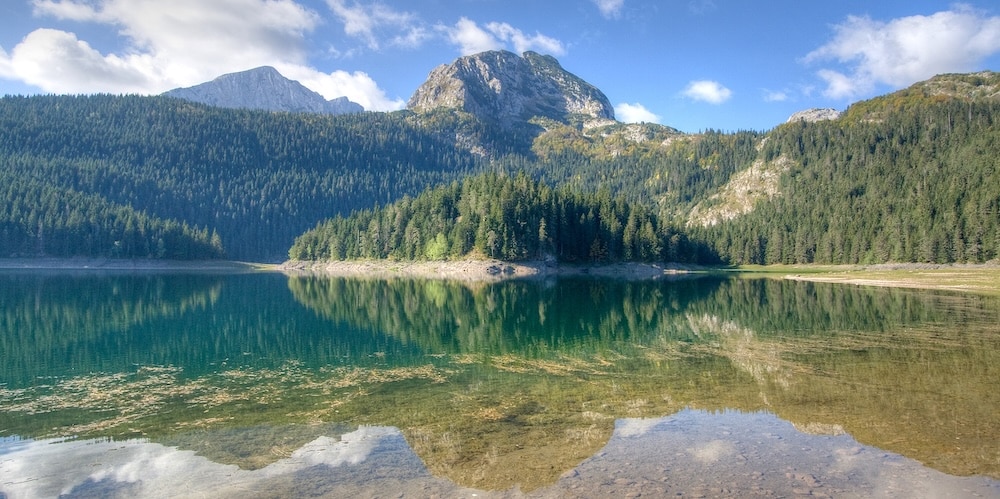
Black Lake, Durmitor National Park – ©Jshnay CC BY-SA 4.0 via Wikimedia Commons
The mountains of Montenegro include some of the most rugged terrains in Europe, averaging more than 6,600 feet in elevation. One of the country’s notable peaks is Bobotov Kuk in the Durmitor mountains, which reaches a height of 8,270 feet and was previously thought to be the country’s highest point, but Zla Kolata in the Prokletije mountains, reaches a height of 8,310 feet. Owing to the hyper-humid climate on their western sides, the Montenegrin mountain ranges were among the most ice-eroded parts of the Balkan Peninsula during the last glacial period.
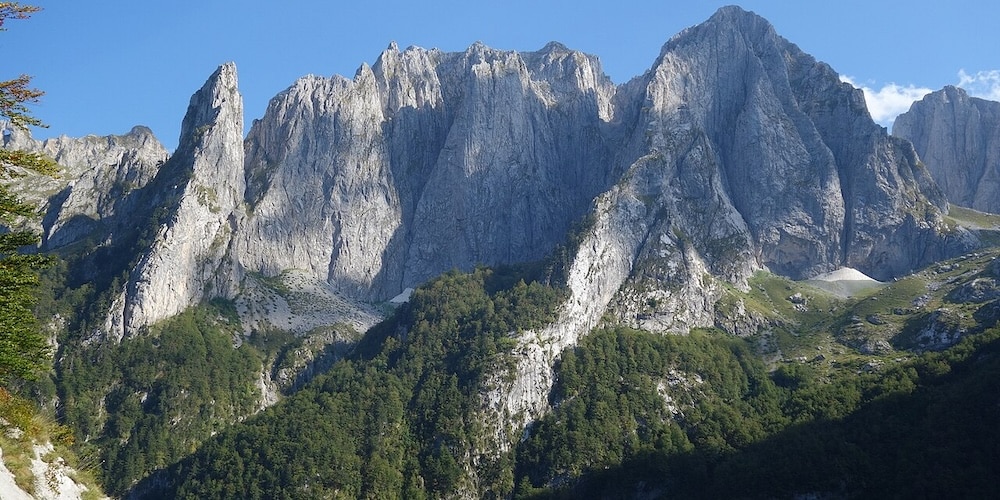
Prokletije National Park – ©Hladnikm CC BY-SA 4.0 via Wikimedia Commons
The diversity of the geological base, landscape, climate, and soil, and the position of Montenegro on the Balkan Peninsula and Adriatic Sea, created the conditions for high biological diversity, putting Montenegro among the ‘hot-spots’ of European and world biodiversity. The number of species in Montenegro is, pro rata, the highest in any European country. Biological estimates suggest 7,000 to 8,000 species of vascular plants, 16,000 to 20,000 species of insects, 56 species of reptile, 333 species of regularly visiting birds and a high species diversity of mammals. The country can be divided into two main biogeographic regions, the Mediterranean Biogeographic Region and the Alpine Biogeographic Region. It is also home to three terrestrial ecoregions: Balkan mixed forests, Dinaric Mountains mixed forests, and Illyrian deciduous forests. The total share of protected areas in Montenegro is 9.05% of the country’s area, which mainly comes from the five national parks of Montenegro. Montenegro is a member of the International Commission for the Protection of the Danube River, as more than 2,000 km2 (772 square miles) of the country’s territory lie within the Danube catchment area.
Birding Montenegro
Despite its tiny size, Montenegro certainly offers some exciting birding destinations, either in the mountains or along the 200 km of seacoast. Habitats to bird in vary from bare alpine terrain, rocky areas and pastures to coniferous forests, southern European and sub-Mediterranean forests, and, finally, Mediterranean vegetation. Forests still cover an impressive 37% of Montenegro, but along the Adriatic coast grazing and fires have reduced the natural Mediterranean deciduous woods of oak to maquis and garigue.

Lovćen National Park – ©Michal Klajban CC BY-SA 4.0 via Wikimedia Commons
Coniferous woods (mainly black pine) are widespread on slopes of higher mountains, while dwarf pine on mountain tops is threatened by the illegal burning to create grazing land. The total number of bird species reliably recorded in Montenegro is more than 350; at least 200 of which are breeding species and another 100 or so regular visitors or passage migrants. Significant percentages of European populations of Rock Partridge, Baillon’s Crake, Pygmy Cormorant, Little Bittern and Scops Owl breed in Montenegro.
Where to see the birds
The main birding areas in the southern corner of the country are Ulcinj Saltpans (internationally Important Bird Area), Velika Plaza (12 km long sandy beach), Ada Bojana Island (also a tourist resort in the Bojana River delta), floodplain forests and wet meadows along the Bojana River, Sasko Lake (IBA) and Skadar Lake (IBA).
There are a few more sites along the Adriatic coast, namely Buljarica beach and resort and Tivatska Solila lagoon.
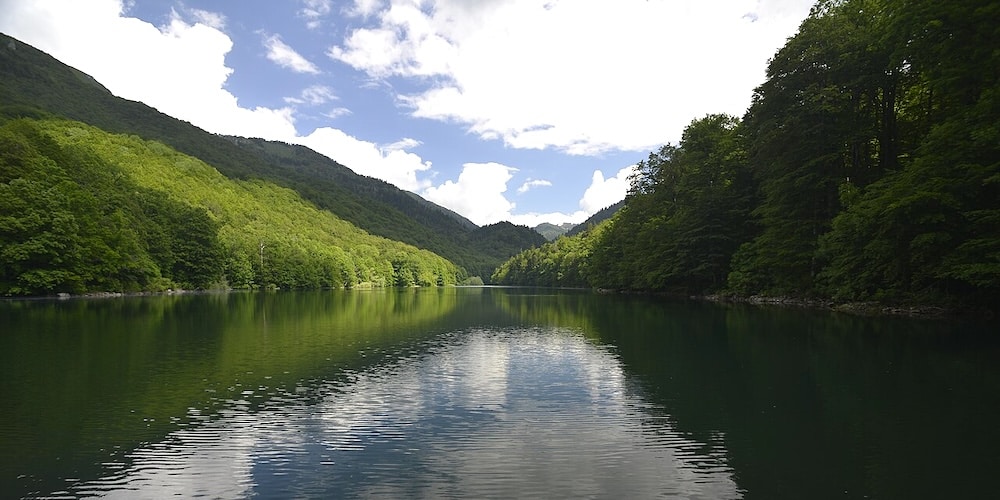
Biogradska Gora National Park – ©Miomir Magdevski CC BY-SA 4.0 via Wikimedia Commons
Further inland, there are areas such as Cemovsko Polje (dry steppe habitat at the outskirt of the capital Podgorica), Plav Lake, Niksic Reservoirs (especially Slano and Liverovici), Mt. Durmitor (IBA), Mt. Biogradska Gora (IBA), Mt. Bjelasica, Mt. Komovi and Mt. Prokletije, also canyons of rivers Piva, Tara, Moraca and Cijevna. If you are birding Montenegro during migration, Ulcinj Saltpans are on the ‘must-see’ list. If visiting in breeding season, concentrate on Skadar Lake and Durmitor.
-
Buljarica
WebsiteSatellite ViewBuljarica is more than 2 km long beach with adjoining wetland with numerous canals and reedbeds, surrounded with olive groves; southeast of the lovely but overcrowded Petrovac resort. Birds of this area include Olive-tree Warbler, Sombre Tit, Rock Nuthatch, Pygmy Cormorant, Rock Partridge, Eleonora’s Falcon, Syrian Woodpecker, Levant Sparrowhawk and Blue Rock Thrush. This site is of greatest importance during migration. -
Durmitor & Tara Canyon
InformationSatellite ViewThe impossibly rugged and dramatic Durmitor (Дурмитор) is one of Montenegro’s – and Mother Nature’s – showpieces. Carved out by glaciers and underground streams, Durmitor stuns with dizzying canyons, glittering glacial lakes and nearly 50 limestone peaks soaring to over 2000m; the highest, Bobotov Kuk, hits 2523m. From December to March, Durmitor is a major ski resort, while in summer it’s popular for hiking, rafting and other active pursuits. -
Lake Skadar
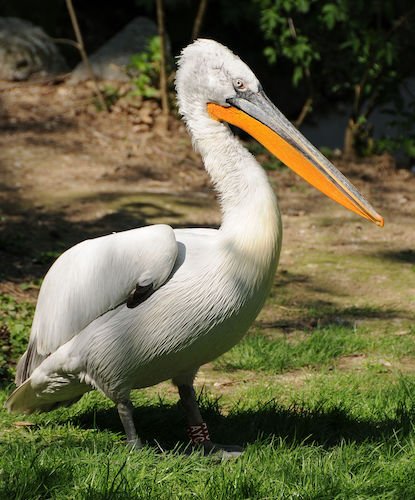
WebsiteSatellite ViewSkadar is the largest lake in the Balkans and one of the largest fresh-water lakes of Europe, where 281 bird species were recorded (90% of them migrating and wintering species). It is a shallow lake, 14 by 44 km, surrounded by wide flood plain on its northern bank, with willows, reedbeds and floating vegetation. Breeding birds here include Pygmy Cormorant (2,200 breeding pairs!), Dalmatian Pelican (the westernmost breeding site for this species), Squacco Heron, Ferruginous Duck, Whiskered Tern, etc. Breeding species aside, Skadar Lake had special significance for wintering waterbirds. Numbers fell steadily from 250,000 in 1999 to a mere 34,000 in 2006, which was thought to be due to human pressure but numbers have rinse again, c.108,000 in 2007 and close to 150,000 in 2008. -
Solila Special Nature Reserve
InformationSatellite ViewTivatska Solila (south of the town of Tivat in the Bay of Kotor) is a shallow lagoon and former saltpans, part of it filled with tidal sea water. This area is an important migration stopover for waders, Common Crane, Osprey, Snipe, Greater Flamingo, Pygmy Cormorant, etc. but cannot accommodate larger numbers due to the heavy hunting pressure. There is an abandoned water utilities house – you can use upper floor to scope the area, or you can walk along the dyke. -
Ulcinj Saltpans
WebsiteSatellite ViewUlcinj Saltpans, immediately east of the Ulcinj Town, consist of series of shallow pans, largely without vegetation, where 241 bird species were recorded. This site is most exciting during migration and winter period, when it attracts up to 20,000 waterbirds, including a hundred or so Dalmatian Pelicans and maybe a few Greater Flamingos. Some 100 pairs of Collared Pranticole breeds at the saltpans. Spotting scopes recommended. -
Velika Plaza
WebsiteSatellite ViewVelika Plaza & Ada Bojana, south of the Ulcinj Town, are two important areas endangered by encroachment of tourism facilities. Velika Plaza is bordered with sand dunes and adjoining grassland, forests and wetlands and is an important breeding area and migration stopover. In summer, almost 1% of the European population of Baillon’s Crake breeds here, as well as Collared Pranticoles, Stone Curlews and Rollers. Great Bustard also occurs here. Ada Bojana has almost 4 km long beach where Loggerhead Turtles lay their eggs. Behind it, in a forested area there is a mixed heronry where Pygmy Cormorants and Spoonbills breed. Other breeding birds include Stone Curlew and Nightjar.
-
Number of bird species: 355
(As at April 2025)
-
Avibase
PDF ChecklistThis checklist includes all bird species found in Montenegro , based on the best information available at this time. It is based on a wide variety of sources that I collated over many years. I am pleased to offer these checklists as a service to birdwatchers. If you find any error, please do not hesitate to report them. -
E-Bird
PDF ChecklistThis checklist is generated with data from eBird (ebird.org), a global database of bird sightings from birders like you. If you enjoy this checklist, please consider contributing your sightings to eBird. It is 100% free to take part, and your observations will help support birders, researchers, and conservationists worldwide. -
Wikipedia
Annotated ListThis is a list of the bird species recorded in Montenegro. The avifauna of Montenegro include a total of 355 species, one of which is rare or accidental in Montenegro.

-
Birds of Europe, North Africa, and the Middle East
| Photographic Guide | By Frédéric Jiguet & Aurélien Audevard | PUP | 2017 | Paperback | 447 pages, 2200 colour photos, colour distribution maps | ISBN: 9780691172439 Buy this book from NHBS.com -
Collins Bird Guide
| By Lars Svensson | Harper Collins | Edition 3 | 2023 | Paperback | 478 pages, 4000+ colour illustrations, 700 colour distribution maps | ISBN: 9780008547462 Buy this book from NHBS.com -
Finding Birds in Montenegro & Herzegovina
| By Dave Gosney | Easybirder | 2022 | Paperback | 40 Pages | ISBN: 9781907316630 Buy this book from NHBS.com

Collins Bird Guide
AndroidThe Collins Bird Guide App provides everything you need to identify a species quickly and learn about it thoroughly.
Collins Bird Guide
Apple iOS |Collins Bird Guide 4+ A field guide to Europe NatureGuides Ltd. Designed for iPadOrganisations-
Centre for Protection and Research of Birds (CZIP)
WebsiteCZIP Mission is to protect birds and other animal and plant species, their habitats, biodiversity monitoring of Montenegro, citizen education, popularisation of scientific research, as well as cooperation with other organisations at home and abroad, dealing with the protection of nature. The objectives of the organization are:- To initiate, encourage and support scientific and professional research of ornithofauna and other biodiversity groups in the area of Montenegro;- To promote and present to national and international public the richness of biodiversity;- To educate and raise awareness of people about their knowledge of birds and other members of biodiversity;- To indicates to the needs and means of protection of birds and their habitats, as well as other members of biodiversity.The vision of the Center is the harmony in the relationship between people and nature and economic development based on the principles of sustainable use of resources. -
Montenegrin Ornithological Association
InformationFarmaci BB, Podgorica, Montenegro
Reserves-
*National Parks
WebpageSatellite ViewMontenegro has five national parks which cover approximately 10 percent of the country's territory. -
IBA Ulcinj Salina
WebpageSatellite ViewUlcinj Salina is located in the outermost southern part of Montenegro and covers approximately 14.5 km2 of salty basins. It has been built in the region with the largest number of clear sky days and the most sunshine on the Adriatic - 2,567 hours - and the largest number of tropical days in ex-Yugoslavia. Hence, this is an ideal place for a saltpan, which in this case based its salt production exclusively on evaporation. The Salina is 1 km of air distance from the city of Ulcinj and the same distance from the border with Albania. If we were seeking for the most exclusive habitat for bird watching in the Adriatic, the Balkans or even the whole Mediterranean, the Ulcinj Salina would definitely be at the top of the list. Currently 241 bird species have been registered in this "cultural lagoon", which is 50% of the total bird species registered in Europe. In the wider region, there are habitats where the number of registered birds is even higher, but what makes the Ulcinj Salina special is the quality of species and their number. The number of birds using the Ulcinj Salina basins for breeding, wintering or resting during spring or autumn migration exceeds the threshold of 1% of the total global bird population. Amazingly, an area of 15 km2 hosts 3% of the total global population of the Dalmatian Pelican (Pelecanus crispus), 3% of the global population of the Blackitailed Godwit (Limosa limosa) and the same percentage of the Spotted Redshank (Tringa erythropus)! -
NP Biogradska Gora
InformationSatellite ViewBiogradska Gora is a forest and a national park in Montenegro within Kolašin municipality. It is the site of one of the last three large virgin forests in Europe. The landscape is one of mountain ridges, glacial lakes, and temperate forest. The National Park is 54 km² in area. Although it is the one of smallest of five national parks in Montenegro, Biogradska Gora National Park contains great diversity of flora and fauna with 150 species of birds, -
NP Durmitor
InformationSatellite ViewThe impossibly rugged and dramatic Durmitor (Дурмитор) is one of Montenegro’s – and Mother Nature’s – showpieces. Carved out by glaciers and underground streams, Durmitor stuns with dizzying canyons, glittering glacial lakes and nearly 50 limestone peaks soaring to over 2000m; the highest, Bobotov Kuk, hits 2523m. From December to March, Durmitor is a major ski resort, while in summer it’s popular for hiking, rafting and other active pursuits. -
NP Skadar Lake WII IBA
InformationSatellite ViewLake Skadar, the largest in the Balkans is the only national park dominated by aquatic and wetland ecosystems. With 281 species, Lake Skadar represents an internationally important area for the habitat of many birds. Because of this, the lake is included in the IBA and RAMSAR lists. -
Wetlands
WebsiteSatellite ViewMontenegro currently has 2 sites designated as Wetlands of International Importance (Ramsar Sites), with a surface area of 20,150 hectares.
Sightings, News & Forums-
eBird
SightingseBirding This Month
Guides & Tour Operators-
Birding Albania
Tour OperatorBirding in Montenegro – 12 Days Tour to Explore the Scenic Montenegro -
EcoTours
Tour OperatorMontenegro & Albania -
Kingfisher
Local BoatBirdwatching Tours at Lake Skadar -
Milica
Local BoatDiscover and enjoy the incredible sights and wildlife paradise on Skadar Lake with us! -
Monticola
Local Tour OperatorProkletije is one of the most complex mountain groups on the Balkan Peninsula.... -
NatureTrek
Tour OperatorA 9-day tour exploring this rarely visited country in search of migrating and native birds, as well as other wildlife, including time spent at the scenic Lake Skadar and within the dramatic mountains of Durmitor National Park. -
The Travelling Naturalist
Tour OperatorMontenegro contains a wealth of wildlife residing amongst its dunes, river deltas, mountains and lakes. -
Undiscovered Montenegro
Tour Operator -
Wildlife Worldwide
Tour OperatorMontenegro has a wealth of habitats, all of which are important stopovers for migrating birds, while Lake Skadar is home to Dalmatian pelicans.
Trip Reports-
2016 [05 May] -
PDF ReportI almost immediately spotted Pygmy Cormorants, a species which proved to be relatively abundant wherever I stopped. A few Mallard were also on the lake with large numbers of Great Crested Grebe, Coot and a few Little Grebe and normal Cormorants here and there too... -
2019 [06 June] - Willem Proesmans
PDF ReportWe did a road trip around Montenegro, mostly for amphibians and reptiles, and also a bit for butterflies and speleo(bio)logy. While Montenegro is hardly ever mentioned as a bird-watching paradise, it is a hot spot for reptiles, and also harbours some nice, endemic amphibians, such as Albanian pool frog. Although none of us were really die-hard bird watchers, seeing Dalmatian pelicans on Lake Skadar was also one of our main goals. -
2022 [05 May] - v
PDF ReportReport -
2024 [06 June] - Sue Bryan
ReportWe continued on our way and drove to Buljarica and through a campsite alongside the sea. I could hear a Great Reed Warbler singing but it was quite distant over the reedbed. It was soon joined by another. Barn Swallow, House Martin and Sand Martin were accompanied by two Red-rumped Swallow flying around as I wandered along the track. A Yellow-legged Gull flew by but sea birds were very few and far between...
Places to Stay-
Hoopoe Glamping and Adventures
Websiteirdwatching and Glamping in Montenegro. Blending stay in the nature with best adventure exploring Montenegrin birdlife.
Fatbirder - linking birders worldwide...
Skip to content