

Rhodes
Rhodes is the largest of the Dodecanese islands of Greece and is their historical capital; it is the ninth largest island in the overall Mediterranean Sea. The island is shaped like a spearhead, c.80 km (50 miles) long and 38 km (24 miles) across at its widest, with a total area of approximately 1,400 km2 (541 square miles) and a coastline of approximately 220 km (137 miles). Limestone is the main bedrock. Mount Attavyros, at 1,216 m (3,990 ft), is the island’s highest point of elevation. The city of Rhodes is located at the northern tip of the island, as well as the site of the ancient and modern commercial harbours. The main airport is the Diagoras International Airport located 14 km (9 miles) to the southwest of the city in Paradisi. The road network radiates from the city along the east and west coasts.
The principal town of the island and seat of local government is the city of Rhodes, which has around 50,000 inhabitants. The island has a population of around 125,000 people. It is located northeast of Crete and southeast of Athens. Rhodes has several nicknames, such as ‘Island of the Sun’ due to its patron sun god Helios, ‘The Pearl Island’, and ‘The Island of the Knights’, named after the Knights of Saint John of Jerusalem, who ruled the island (1310 to 1522).
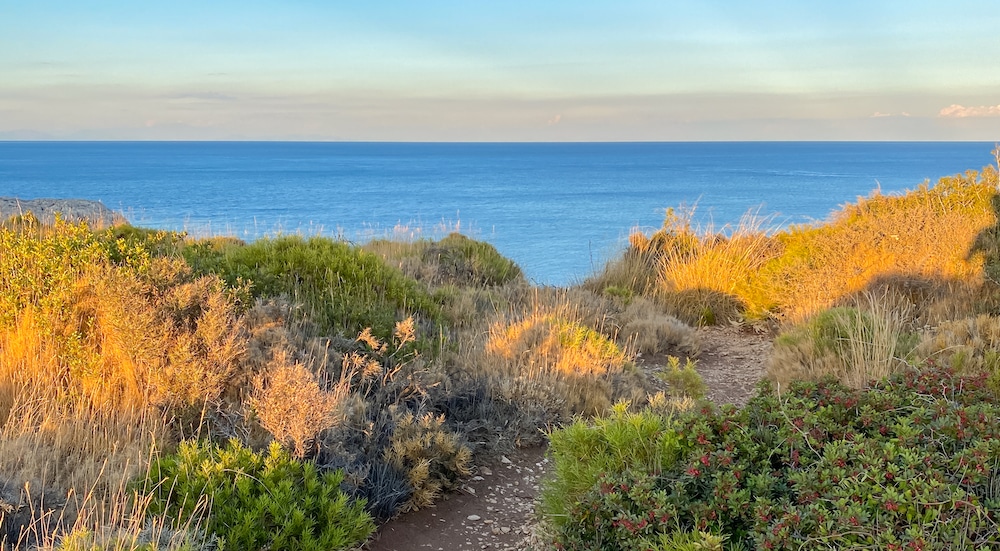
©dronepicr, CC BY 2.0 via Wikimedia Commons
Rhodes is situated 363 km (226 miles) east-southeast from the Greek mainland, but only 18 km (11 miles) from the southern shore of Turkey. Rhodes has a hot-summer Mediterranean climate with mild winters and hot summers. The South East of the island experiences a significantly warmer climate with Lindos registering a mean annual temperature of around 22.0 °C, making it the warmest area in Greece. Moreover, according to the Hellenic National Meteorological Service, South East Rhodes records the highest mean annual sunshine in Greece with over 3,100 hours.
Rhodes – the beautiful island of roses – has unique physical scenery that never ceases to impress visitors. Rhodes is known as the isle of the Sun due to a unique climate with more sunny days (260 per year) than any other place in Europe. It combines friendly natives, a beautiful landscape with some magnificent beaches and shorelines, the amazing medieval walled town in its capital and some great birding opportunities, that will make you fall in love with this fascinating island. Rhodes is at the meeting point of three continents – Europe, Asia and Africa and is a part of the Dodecanese group of islands at the southeastern end of Greece. The island is mainly hilly. There is no permanent fresh water, except for a few lagoons in the mouth of some rivers and the necessary fresh water reservoir at Appolakia.
Birding Rhodes
When you go birding on Rhodes, don’t expect quantity, it’s the quality of the birding that counts. April is the best month to watch birds. If you may see 80 species in other months, you will have done well! Rhodes is a holiday-destination so most European birdwatchers visit during the high summer months of July, August and September and information abounds for that period. All the gathered information results in a list of 228 species recorded on the island. A Of these, Rhodes is home for about 80 breeding species.
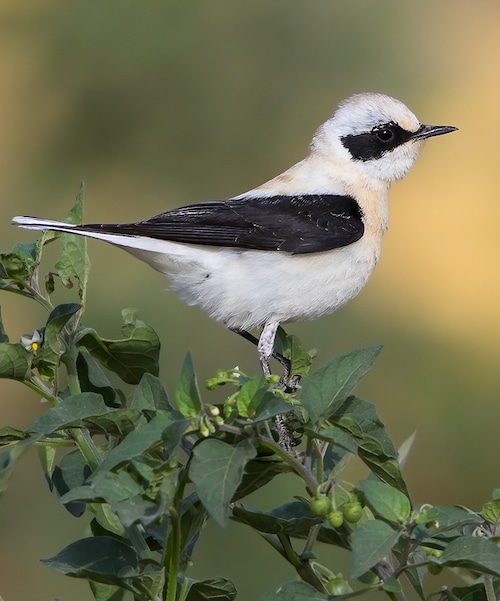
Birds which may be seen – Among the breeding species: Shag Phalacrocorax aristotelis: a few pairs in the south-east; Little Bittern Ixobrychus minutus: a few pairs (Gadouras and Afandou); Long-Legged Buzzard Buteo ruffinus (more than 15 pairs); Bonelli’s Eagle Hieraaetus fasciatus (1 or 2 pairs); Short-toed Eagle Circaetus gallicus (a handful of pairs); Lesser Kestrel Falco naumanni (about ten pairs); Eleonora’s Falcon Falco eleonora ( a few dozen pairs at the islands on the west coast) Peregrine Falcon Falco peregrinus ( a few pairs); Lanner Falcon Falco biarmicus (an irregular breeder, perhaps one pair); Chukar Alectoris chukar (c.100 hundred pairs, but declining); Stone-curlew Burhinus oedicnemus (a few pairs); Scops Owl Otus scops (at least a few dozen pairs); Alpine swift Apus melba (a few hundred pairs); Pallid Swift Apus pallidus (a few hundred pairs) Bee-Eater Merops apiaster (at least a few dozen pairs); Hoopoe Upupa epops (several pairs, although unlikely to breed every year); Short-toed Lark Calandrella brachydactyla (quite common); Red-rumped Swallow Hirundo daurica (at least a few dozen pairs); Tawny Pipit Anthus campestris)(at least a dozen pairs); Rufous-tailed Scrub-robin Cercotrichas galactotes (at least ten pairs, especially around Afandou and Gadouras); Black-eared Wheatear Oenanthe hispanica (a few hundred pairs)
Black-headed (yellow) wagtail Motacilla flava feldegg (a few dozen pairs in the north-east); Cetti’s Warbler Cettia cetti (at least a few dozen pairs); Great Reed Warbler Acrocephalus arundinaceus (a few pairs); Olive-tree Warbler Hippolais olivetorum (about ten pairs); Olivaceous Warbler Hippolais pallida (a few dozen pairs); Subalpine Warbler Sylvia cantillans)(at least a few dozen pairs); Rüppell`s Warbler Sylvia rueppelli (a few dozen pairs in the south-east, unlikely to breed every year); Sardinian Warbler Sylvia melanocephala (a few thousand pairs); Orphean Warbler Sylvia hortensis (a few hundred pairs); Red-backed Shrike Lanius collurio (a few pairs, unlikely to breed every year); Lesser Grey Shrike (anius minor (a few pairs, unlikely to breed every year; Woodchat Shrike Lanius senator (quite common, at least a few dozen pairs); Golden Oriole Oriolus oriolus (at least ten pairs); Raven Corvus corax (a few dozen pairs); Ortolan Bunting Emberiza hortulana (at least a few dozen pairs); Cretzschmar’s Bunting Emberiza caesia (at least a few dozen pairs); Black-headed Bunting Emberiza melanocephala (at least a few hundred pairs).
The EBCC Atlas of European Breeding Birds also mentions Golden Eagle Aquila chrysaetos; Booted Eagle Hieraaetus pennatus; Great Spotted Cuckoo Clamator glandarius; Calandra lark Melanocorypha calandra; Moustached Warbler Acrocephalus melanopogon; Eastern Bonelli`s Warbler Phylloscopus bonelli orientalis and Western Rock Nuthatch Sitta neumayer as breeding birds. All relatively recently confirmed, and they all remain very scare if present. However, Calandra lark Melanocorypha calandra and Moustached Warbler Acrocephalus melanopogon are definitely winter visitors on Rhodes.
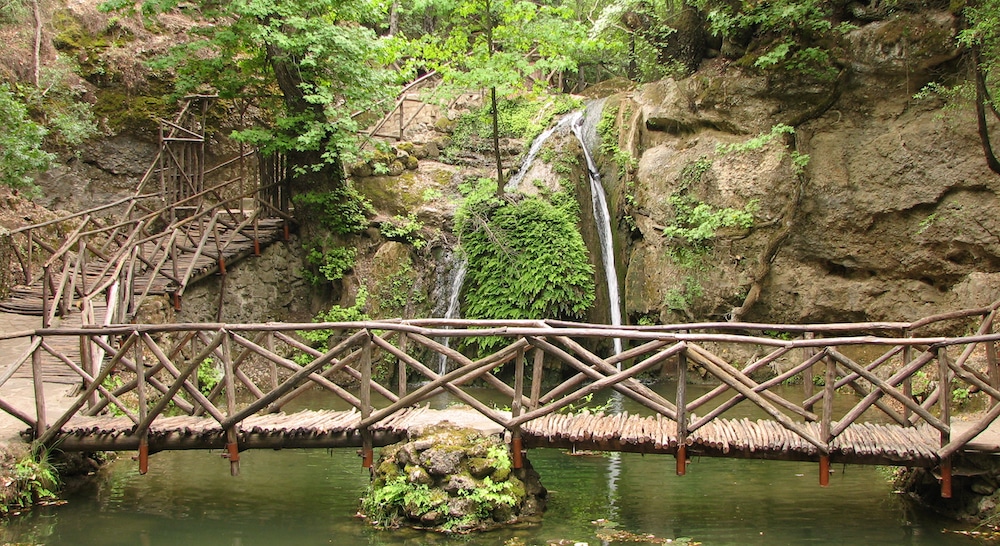
The Valley of the Butterflies – ©Norbert Nagel CC BY-SA 3.0 via Wikimedia Commons
The following passage migrants are worth mentioning as being regularly or occasionally recorded: Night Heron Nycticorax nycticorax (regular); Squacco Heron Ardeola ralloides)(regular); Purple Heron Ardea purpurea (regular); Glossy Ibis Plegadis falcinellus (quite regular); Garganey Anas querquedula (rare); Black Kite Milvus migrans (rare); Montagu`s Harrier Circus pygargus (regular); Booted Eagle Hierraaetus pennatus (rare); Osprey Pandion haliaetus (regular); Red-footed Falcon Falco vespertinus (regular in great numbers); Black-winged stilt (imantopus himantopus (quite regular); Collared Pratincole Glareola pratincola (rare); Temminck`s Stint Calidris temminckii (quite regular); Marsh Sandpiper Tringa stagnatilis (quite regular); Audouin’s Gull Larus audouinii (regular west and north side); Gull-billed Tern Gelochelidon nilotica (regular); White-winged Black Tern Chlidonias leucoopterus (regular); Whiskered Tern Chlidonias hybridus (quite regular); Roller Coracias garrulus (regular, former breeding bird); Red-throated Pipit Anthus cervinus (regular); Isabelline Wheatear Oenanthe isabellina (quite regular); Pied Wheatear Oenanthe pleschanka (rare) and Zitting Cisticola Cisticola juncidis (regular). In Rhodes it’s possible to see almost every species that can be seen on the north-western side of Turkey (the shortest distance between the two is about 20 km).
Apart from the top sites described below here are more tips:- in spring every river mouth – if there’s some water left – can be rewarding: Loutani, Lirono, Makkaris, Kontari- Attavyros and Profitis Ilias are interesting for the mountain birds, but can be disappointing – the valley of the butterflies is interesting, but not for birds- good combinations culture & birdwatching are: Ancient Acropolis Lindos, Ancient Kamiros, Filerimos, Kritica castle, Koskinou-Kalithea and Monolithos.
-
Afandou
InformationSatellite ViewThis place is interesting for the combination of various habitats: olive groves, scrub, two riverbeds, small pools with small reed beds, some wasteland and a golf course. This site is interesting during migration for waders (Wood sandpiper, Dunlin, Little ringed plover, Little stints); Egrets (Night Heron, Squacco Heron, Litte Egret, Glossy Ibis, Little Bittern) and Garganey. The golf course and surroundings are likely to produce some interesting species like Short-toed Larks, Tawny Pipit, Red-throated pipit (the latter during migration). During the breeding season Red-backed Shrike, Stone Curlew, Rufous Bushchat and Kingfisher are almost certainties, together with species like Bee-eater, Quail, Reed Warbler and Olivaceous warblers. The place to be, is just the area between the two riverbeds. -
Appolakia Reservoir
InformationSatellite ViewThe only deep and permanent freshwater can be found at the Appolakia Reservoir. It was built in the late eighties. So therefore it is not indicated at most of the maps. Take the road from Appolakia to Gennadia. Just outside the village there is a small road on the left side, with a sign for the dam (about 3 km). This reservoir seems to get better every year, although a visit cannot be rewarding sometimes. At the north end of the reservoir, there's an area of marsh and reed beds. During migration the latter attracts species like Grey Heron, Little Egret, Glossy Ibis, Purple Heron, Black-winged Stilt, Snipe, Wood Sandpiper, Marsh Sandpiper, Temminck's Stint. It is the most certain place to see species like Little Grebe, Coot and Moorhen, sometimes accompanied by Garganey, Mallard, Black Necked Grebe or Kingfisher. It's also an interesting place, especially in hot afternoons, to see birds drink and bath like the Swifts (three species); Swallows (three species) and Bee-eaters. You can get very close sightings of them. Eleonora's Falcon and Roller are other interesting species that can be spotted here. -
Plimmiri
A place that is not often mentioned in reports, is the surrounding of Plimmiri, but it`s just one of my favourites. Just south of Plimmiri there`s a long and beautiful beach. The beach flows over into sandy dunes followed by small sized arable land. In combination with the interesting migration point of Cape Viglos, this area can be very rewarding. This site can only be visited by foot. Just follow the road from Plimmiri to the beach and walk in southern direction alongside the sandy dunes. The certain rewards are: Short-toed Lark, Crested Lark, Tawny Pipit, Hoopoe, Woodchat Shrike, Lesser Grey Shrike and Black-headed Bunting. The chain of little fields, sometimes irrigated, provide good habitats for larks and pipits during migration and winter (Calandra Lark, Sky Lark). In autumn a sea-watch can be satisfactory with species like Shag, Eleonora`s Falcon, Buzzard, Long-legged Buzzard, Honey-buzzard and Cory`s Shearwater. -
Rhodos town area
A place that does not look quite interesting, but that absolutely is, are the immediate surroundings of Rhodos town, especially during migration. The beach on the north side of the town (neighbourhood Aquarium) can be good for migrating birds, egrets and seabirds, like Little Bittern, Squacco Heron, Red-throated pipit, White-winged Black Tern, Whiskered Tern, Common Tern, Balearic Shearwater, Cory`s Shearwater. During migration Monte Smith is very interesting for songbirds (Blackcap, Wood Warbler, Icterine warbler, Subalpine warbler, Flycatchers); Wheatears and Shrikes. Monte Smith holds also a strong population of Olivaceaous warblers. The old town of Rhodes has a population of Crag Martin. On or between the old walls of Rhodes-town, Litte Kestrel and Hoopoe can be seen regularly. The harbour of Rhodes-town can be interesting for terns and gulls, especially Audouins Gull, Mediterranean Gull, Common gull, Common Tern and even Gull-billed Tern. -
River Gadouras
InformationSatellite ViewValley and mouth of the river Gadouras (about 10 km north of Lindos, about 8 km south of Arhangelos); east of the main road Arhangelos-Lindos. Combination of river valley with a stoney/sandy bed, some fresh water pools, scrub, a kind of lagoon with high reed and various shrubs, and in the neighbourhood: arable land, olive groves and grassy fields. Sadly, the last years there seems to be more disturbance from the industrial activity (a kind of gravel winning) This place is good for waders in spring and autumn (Little stint, Little ringed plover, Ringed plover, Wood sandpiper, Green sandpiper, Marsh sandpiper, Collared Pratincole); Egrets (Glossy Ibis, Little Egret, Grey Egret, Squacco Heron); Terns (White-winged black tern, Gull-billed tern). Reed Warbler, Great Reed Warbler, Olivaceaous warbler, Bee-eater, Quail, Woodchat-shrike and Short-toed Lark should be certainties in the breeding season. It's also one of the best places for Stone Curlew and Rufous Bushchats. You have to visit this site by foot. It is best to park your car in the neighbourhood of the bridge. It takes at least two hours to visit this site. In the morning, the sun can be disturbing. The best to do is to enter this area on the south side of the river.
-
Number of bird species: 309
(As at June 2024)
-
Avibase
PDF ChecklistThis checklist includes all bird species found in Rhodes , based on the best information available at this time. It is based on a wide variety of sources that I collated over many years. I am pleased to offer these checklists as a service to birdwatchers. If you find any error, please do not hesitate to report them. -
eBird
PDF ChecklistThis checklist is generated with data from eBird (ebird.org), a global database of bird sightings from birders like you. If you enjoy this checklist, please consider contributing your sightings to eBird. It is 100% free to take part, and your observations will help support birders, researchers, and conservationists worldwide.
-
Petaloúdes (Butterfly Valley)
WebsiteSatellite ViewIn the Valley of the Butterflies, there is a museum housed in a nicely restored Italian house of the 30s. Here you will find extensive information about the flora and fauna in the reserve. The most interesting part of the museum is the hatchery, where a number of butterflies reproduce in a protected area in stable climate conditions and an ideal environment.
-
2012 [04 April] - David Ousey
Report…We did the walk to "The Tomb of Kleoboulos" in Lindos, its a bit tricky underfoot but the birding is good! Eastern Black-eared Wheatear were calling from most of the availiable rock perches, Crag Martins, Whinchat and Stonechat…