

Somerset
The recording area of Somerset (area 5 & the southern half of area 6 in the Watsonian system) so is not quite co-terminus with the present ceremonial county of the same name. Somerset is a county in Southwest England which borders Gloucestershire and Avon & Bristol (that includes the northern half of area 6) to the north, Wiltshire to the east, Dorset to the southeast and Devon to the southwest. It is bounded to the north and west by the Severn Estuary and the Bristol Channel, its coastline facing southeastern Wales. Its traditional border with Gloucestershire is the River Avon. The recording area of Somerset’s largest settlement is Taunton (the county town), followed by Yeovil and Wells.
The county covers an area of c.3,500 Km² with a population of well under a million people so is predominantly rural with rolling hills such as the Blackdown Hills, the Mendip Hills (a designated area of natural beauty), the Quantock Hills and wild Exmoor National Park, but also has a large flat expanses of land including the Somerset Levels which are liable to winter flooding. The county has many rivers, including the Axe, Brue, Cary, Parrett, Sheppey, Tone and Yeo. These both feed and drain the flat levels and moors of mid and west Somerset. In the north of the county the River Chew flows into the Bristol Avon.
Birding Somerset
While it can claim no major migration hotspots, it has a range of habitats that have attracted over three hundred species of birds, of which about a hundred species breed. As well as the very special Somerset Levels which are returning in part to their former glory. It is a county of varied habitat that attracts more birds and birders every year.
Starting with the coast of the Bristol Channel, we can find coastal mud flats around the Huntspill and Parrett estuaries, sandy beaches at Berrow and Minehead and rocky cliffs at Brean Down, Kilve and Hurlstone Point, a favourite with sea watchers. Ranges of hills start with the Mendips and stretch down to the Quantocks, Blackdowns and the Poldens. All of these have distinctive landscapes and habitats. There are many reservoirs in the shadow of the hills such as Chew (in Avon), Blagdon, Wimbleball and Cheddar. Last and very much not least are the Somerset Levels and Moors.
Since the 1980’s, large areas of peat land and other low-lying flat land have been transformed by the Environment Agency working with Natural England, Somerset Wildlife Trust and RSPB. Somerset now boasts several wetland NNRs notably Ham Wall, Shapwick Heath, Westhay Moor, Greylake and West Sedgemoor. A major new wetland habitat is being created on the Steart Peninsula near Bridgwater.
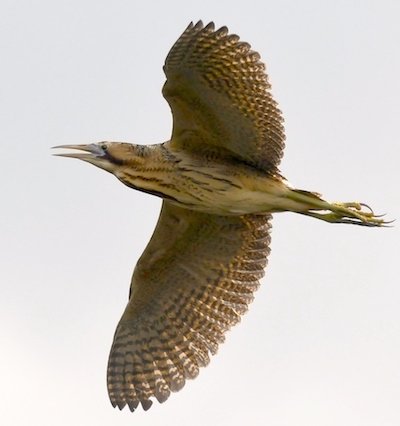
Notable breeding species in recent years include Little, Great White and Cattle Egret, Bittern, Marsh Harrier, Hobby, Avocet, Nightjar, Savi’s Warbler and Dartford Warbler although the last-named numbers suffer in cold winters. Recent passage migrants include Spotted Crake, Pectoral, Sharp-tailed and White-rumped Sandpiper, Long-billed Dowitcher and Red-footed Falcon.
The mainly mild winters attract many wintering wildfowl species ranging from Bewick’s and Whooper Swan, Brent Geese to Wigeon and Pintail in large numbers, Goosander, Goldeneye and a few Smew. Woodcock arrive in numbers although they are very under recorded, Black-tailed and Bar-tailed Godwits, Golden and Grey Plover and other winter waders can be found on the flooded levels and the coast while millions of Starlings from the Continent arrive in winter, attracting in turn predators such as Peregrine, Merlin and Hen Harrier. Redwing, Fieldfare, Siskin and Redpoll are plentiful and a few Snow Buntings turn up in most years. The Crane project is also based in Somerset. Birds from imported eggs are reared at Slimbridge and released in Somerset. Common Cranes are now firmly established as new breeding species.
For those with a wider wildlife interest, Large Blue butterflies, Otters and Red Deer can be other notable highlights of a visit to Somerset.
-
Berrow
WebpageSatellite ViewThe reedbed between the golf course and the beach has Bearded Tit and Water Rail. There are extensive stands of Sea Buckthorn that often attract winter thrushes and have a fair population of wintering Blackcaps. The beach is good for waders and has been host to rare migrants such as Short-toed Lark. -
Brean Down
WebpageSatellite ViewBrean Down is caused by the westward extension of the hard Mendip limestone into the Bristol Channel. It is a steep climb from the car park to the footpath on top of the down and it is not recommended for those of a weak disposition. The path then goes along the top of the hill and gradually falls until you reach the old fort at the end. The promontory is a good place to see spring and autumn migrants though it is hard work to do it thoroughly and regularly. Rock Pipit can be seen foraging among the cliff-top plants and Peregrines are often seen overhead. Sea duck can sometimes be seen off the point along with passing terns and skuas in the right wind conditions. From the inland end of the down you can look into the estuary though the views are distant. -
Catcott Lows Reserve
InformationSatellite ViewThis reserve is superb for seeing wintering ducks. The hide by the car park offers views across a flooded area of fields which can hold large flocks of Wigeon, Lapwing and Mallard with good numbers of Gadwall, Shoveler, Teal, Pintail and a few diving duck in the main channel. In spring, Garganey are regular and wader passage can be very good when water conditions are favourable. Good numbers of Whimbrel and Black-tailed Godwit are regular and rarer migrants may include Wood Sandpiper and even Temminck's Stint. Marsh Harrier, Hen Harrier, Hobby and Peregrine regularly hunt over the area. A second hide is visible across the field, and following the drove out to this hide in winter is a good way to find flocks of Redpoll and Siskin. Grasshopper Warblers can still sometimes be found in this area in summer. -
Chard Reservoir
WebpageSatellite ViewChard Reservoir was once the balancing lake for the Chard to Taunton Canal. The canal is long gone but the reservoir still attracts birds including Great Crested Grebe, Little Egret and various duck species. Rarer recent visitors have included Ring-necked Duck, Red-throated Diver and Firecrest, and Lesser-spotted Woodpeckers are occasional visitors. The South Somerset District Council has erected a hide and there are footpaths through the surrounding woods where a variety of common woodland species can be seen. -
Cheddar Reservoir
InformationSatellite ViewLying at the foot of the Mendip hills this is an almost circular concrete bowl. There is virtually no marginal vegetation but when the water level is low a muddy shoreline and gravelly islands become exposed. This is a very good winter waterfowl site, with a good selection of duck species, and large populations of wintering Great Crested Grebe and Coot. Goosanders roost, and Black-necked Grebe and Great Northern Diver are almost annual; other diver and grebe species turn up occasionally too. Because of its position and depth it is often one of the last stretches of water to freeze over and in hard weather can be spectacular: in winter 2009-10 the species list also included Black-throated Diver, Ring-necked Duck, Ferruginous Duck, Red-crested Pochard, Smew, Ruddy Duck, and Scaup. The gull roost occasionally attracts white-winged gulls, and it is a good place to visit after violent storms in the autumn and winter when wind blown species such as Grey Phalarope or Long-tailed Duck may be seen. It is often used by migrating terns for a short stay in spring or autumn, and sometimes by passage waders when water levels are low. Sailing and windsurfing occur on weekend afternoons and on Wednesdays so these times are not the best for birding. No permit is required. -
Greylake
WebpageSatellite ViewThis relatively new RSPB reserve covers part of Kings Sedgemoor and consists of seasonally flooded grazing marshes with some stands of reed and reedmace. Good in winter for wildfowl and raptors (including regular Hen Harriers), it is managed to provide habitat for breeding waders and Yellow Wagtails, now scarce in the county. Scarcities already recorded include Green-winged Teal and Spotted Crake. -
Hurlstone Point
InformationSatellite ViewTo say that Hurlstone Point is one of Somerset's premier sea-watching spots is not saying much if you are comparing it to Pendeen and on some days even Tring! It is, however, the best place to add seabirds to your Somerset list and is a nice walk even if you see nothing. You must park in the car park at Bossington, which is the closest approach by car, then walk to the sea, turning left then climbing uphill until you reach an old building along the cliff path. Some people watch from here; the hardier souls climb down from here until they are nearer sea level. Like Brean, this is not for the faint-hearted. While the birds are not prolific, they are all possible. In spring, Wheatear and Black Redstart are often seen along the cliffs here. -
Shapwick Heath & Ham Wall
WebpageSatellite ViewThese two superb reserves (run by Natural England and the RSPB respectively) are the centrepiece of the Avalon Marshes project, which has created new and extensive wetlands out of old peat diggings. Much patient effort has attracted Bitterns and Bearded Tits to breed, and the mosaic of reedbeds, open water, scrub and damp woodland holds a wide variety of other breeding species. Winter wildfowl are another draw, and a scrape on Meare Heath (part of Shapwick Heath reserve) is drained down in spring and autumn to attract passage waders. The two sites have an impressive list of rarities to their name, including (to name but a few) Little Bittern, Squacco Heron, Glossy Ibis, Whiskered Tern, Green-winged Teal, Red-footed Falcon and Red-necked Phalarope (not to mention the Booted Eagle!) In recent years the huge Starling roost has attracted large crowds late on weekend afternoons in winter (a time best avoided unless the Starlings are your aim). It’s also a great place to see Otters, though sightings are still far from guaranteed. The reserves are accessed along the old railway line either side of the car park at Ashcott Corner. In 2012 30 male Bitterns were booming across the marshes and many pairs bred as did two pairs of Great White Egrets that successfully reared four chicks! -
Steart Point
WebpageSatellite ViewSteart is probably the best place in Somerset to see large concentrations of waders. Success does depend on being there at the correct time, which is over high tide, with spring tides being the best, as birds are pushed up out of the River Parrett and its deep creeks. From the Somerset Wildlife Trust car park, either walk to the beach and turn right or follow the road along until it becomes a footpath out to the hides. There are several hides out on the point including the amazing Tower Hide, which is part of the artistic Parrett Trail. The best for seeing the high tide wader roost are the two on the end of the point but the others can have their delights including a Peregrine or a Merlin perched on one of the posts on the salt marsh. Passage waders can be very good here and have included Wilson’s Phalarope, Kentish Plover, Buff-breasted Sandpiper and Long-billed Dowitcher. Skuas and terns can sometimes be seen from the hides as they fish in the estuary or migrate up the Bristol Channel and small parties of geese sometimes drop in to the salt marsh in winter. -
Sutton Bingham Reservoir
InformationSatellite ViewSutton Bingham Reservoir is a moderately large expanse of water privately owned by Wessex Water, however there are a number of vantage points around its shores. Interest has declined in recent years due to increased recreational activities on the water, but it still attracts commoner winter wildfowl and rare ducks have been noted among the more common species whereas Mandarins have become a feature in recent years having successfully bred at the site. Spring or autumn passage usually turns up at least one passing Osprey, and if water levels are allowed to drop during the summer months the reservoir can attract passage waders in August and September with Common Sandpipers being especially numerous. The site also provides opportunities to see several warbler species, including the occasional Cetti's Warbler. Facilities at the reservoir include a car park with toilets at the northern end from where you can follow the water's edge to the hide at the south of the reservoir. Dogs are not permitted on site. The site list stands somewhere in the region of 225 species. -
Swell Woods & West Sedgemoor
WebpageSatellite ViewThe RSPB reserve at West Sedgemoor is an important site for wintering wildfowl and waders and breeding species such as Snipe and Redshank. The major focus for the site is to provide secluded feeding and resting places for the bird species that winter or breed on the marshes so access is restricted and views from the hide generally distant. Swell Wood is a breeding site for Grey Heron and the heronry can be watched from a hide in the wood near the car park. The RSPB also provides food for small birds in the winter and the car park is a great place to see Marsh Tit, Nuthatch and Jay as they come to within feet of the parked cars to feed. -
Webber's Post & Horner Wood
WebpageSatellite ViewWebber's Post car park looks out over a fantastic vista of wooded valleys and high moor land tops. A visit in May, when the migrant woodland birds have arrived and the trees are alive with the songs of Wood Warbler, Pied Flycatcher, Redstart and Tree Pipit is a memorable experience. You can either park in the car park and walk down the footpath into the valley below, or there is a car park at Horner in the valley bottom. You can then follow the footpath up along the stream where Dipper and Grey Wagtail are often seen. This is also a good spot for all three of the woodpecker species although you will need luck to see Lesser Spotted Woodpecker. The trees around the upper car park attract Redpoll, Siskin and Crossbill. Further up onto the moors, Whinchat and Grasshopper Warbler can be found, though Red Grouse is now extinct and Ring Ouzels occur only on passage . Dartford Warblers have colonised in recent years, but recent harsh winters have taken their toll and they are currently hard to find. The valley below the car park also holds the majority of the British breeding bat species. -
Westhay Moor Nature Reserve
WebpageSatellite ViewThis reserve is part of the Avalon Marshes, a complex of interlinked wetlands including Catcott Lows, Shapwick Heath and Ham Wall, forming one of the most important wetland areas in the southwest. Westhay has open water, reed beds and scrub, and a remnant of raised bog habitat, and attracts a wide variety of wetland birds. It regularly has wintering Bittern and one winter hosted a pair of Penduline Tits that enthralled hundreds of birders as they decimated the reedmace heads in search of food. Visitor numbers have reduced as the focus has shifted to Shapwick Heath in particular, but Westhay is still well worth a visit. Wintering Goosander and Goldeneye are regular and the woods hold Siskin and Redpoll in winter and a variety of warblers in summer.
-
Brian Gibbs
-
Number of bird species: 357
County Bird - Goldeneye Bucephala islandica […at a dinner marking a Somerset Ornithological Society anniversary, Peter Scott, who was the guest speaker, drew a Goldeneye on his napkin and everybody thought that it would be a brilliant symbol for Somerset!]
-
A Checklist of Somerset Birds
ChecklistThe Somerset List to the end of 2014 contains 357 species. Using the BOURC classification 336 are in Category A, 18 in B and three in C. Golden Pheasant has been removed from the list as it is considered that there never was a self-sustaining population in Somerset.

-
A History of the Birds of Somerset
| By David K Ballance | Isabelline Books | 2006 | Hardback | 372 pages, 40 colour plates, 2 maps | Out of Print | ISBN: 9780955278709 Buy this book from NHBS.com -
Somerset Atlas of Breeding and Wintering Birds 2007–2012
| By David K Ballance, Rob Grimmond, Stephen Moss, Julian Thomas & Eve Tigwell | Somerset Ornithological Society | 2014 | Hardback | 336 pages, 14 colour photos, 108 b/w illustrations, 293 colour distribution maps | ISBN: 9780993120503 Buy this book from NHBS.com -
Where to Watch Birds in Somerset, Gloucestershire & Wiltshire
| By Ken Hall | Christopher Helm | 2019 | 4th Edition | Paperback | 314 Pages | b/w illustrations, b/w maps | ISBN: 9781472912381 Buy this book from NHBS.com
-
Cam Valley Wildlife Group
WebsiteAn independent wildlife conservation group covering Midsomer Norton, Radstock and surrounding villages. Its aims are: the conservation of local wildlife, promoting awareness and understanding of wildlife, encouraging enjoyment of wildlife… -
RSPB Bath & District Local Group
WebpageOur Bath-based group has been running for over 50 years but we are always happy to have new people join. We have people of all abilities and bird knowledge within the membership who are always keen to share their knowledge. The image above shows us at Bathampton Village Show 2023 spreading the word and escaping the heat. -
RSPB South Somerset Local Group
WebpageWe were established in 1979 as Crewkerne LG (altering our name in 2011) and currently have over 240 members. We pride ourselves on being a friendly group of people who appreciate not only birds but all aspects of natural history. -
Somerset Environmental Records Centre
WebsiteThe Somerset Environmental Records Centre (SERC) is the centre of reference for all information relating to wildlife and biodiversity in Somerset. It maintains an up-to-date record of sites, habitats and species found in the county and makes the data available for decision making, conservation, research, monitoring and education -
Somerset Ornithological Society
WebsiteRob Grimmond - SOS Secretary & Webmaster. The website for all your birding needs in Somerset, including a sightings message-board, site guides, details of indoor and field meetings, and links to other sites maintained by local birders and wildlife photographers… -
Somerset Wildlife Trust
WebsiteAddress: Fyne Court, Broomfield, Bridgwater, Somerset, TA5 2EQ. Tel 01823 451587 Fax 01823 451671 Email enquiries@somersetwildlife.org - We have a simple aim
-
*Somerset Wildlife Trust Reserves
WebsiteSatellite ViewFrom heathland to wetland, stunning open spaces to hidden gems, discover our best sites for nature across Somerset. -
LNR Aller & Beer Woods
WebpageSatellite ViewGreen woodpecker and Greater Spotted woodpecker breed in the woodland, Marsh tits occur and Woodcock may be seen in winter. Buzzard and Sparrowhawk have nested here and the summer visiting Hobby has been recorded. -
LNR Catcott Nature Reserves
WebpageSatellite ViewThe Catcott Complex is a great place to visit. Whilst the Lows play host to hundreds of birds from November to March, the Great Fen has the addition of a new four-metre high Tower Hide. -
LNR Chard Reservoir Nature Reserve
WebpageSatellite ViewChard is a small town in Somerset, England, UK. These pages are an introduction to the reservoir at Chard and some of the wildlife that may be found there. The reservoir is only about a mile from the centre of Chard town and so is regularly visited by local people. The surrounding meadows are much used for dog walking. That said, the site is actually well hidden from all but the closest houses and many shoppers in Chard may be completely unaware of the existence of this substantial (20 hectares) stretch of water. -
LNR Ubley Warren
WebpageSatellite ViewA good variety of birds use the reserve including some less common species such as Merlin which visit in winter, Stonechat which often sit on Gorse bushes, Redstart, Skylark, Tree Pipit and Wheatear. You will often spot Buzzards and Ravens circling high overhead. Come later in the year for the autumn colours of the Bracken, and the Hawthorn trees with their bright red berries attracting mixed flocks of tits and finches. -
LNR Westhay Moor Nature Reserve
InformationSatellite ViewWesthay Moor is a beautiful nature reserve to explore with its shimmering lakes and reed beds, birds singing and signs of life all around. This reserve is home to the UK's first breeding pair of Night Heron on record. -
NNR Mendip
InformationSatellite ViewThe Mendip NNR is most important for its large stretches of calcareous grasslands, ancient wooded ravines and stunning geology. Threatened champion species such as adders, dormice, horseshoe bats and skylarks; and woodland and grassland flora, including endemic whitebeam species, and Somerset’s county flower, the Cheddar pink. The majority of the sites are designated as sites of special scientific interest (SSSI), lie within 3 separate special areas of conservation (SAC’s), and mostly within the national landscape of the Mendip Hills area of outstanding natural beauty (AONB). The NNR will form the backbone of nature recovery in this landscape by bringing in 400ha of non-SSSI land where it will be managed with nature conservation as the primary purpose. -
NNR Shapwick Heath National nature Reserve
WebpageSatellite ViewThis magnificent and varied nature reserve covers over 500 ha at the heart of the Avalon Marshes (part of Somerset’s Levels and Moors). Shapwick Heath National Nature Reserve (NNR) is part of an area that's steeped in history and is a superb place to watch wildlife, whether it’s an elusive bittern, an otter lurking in the reed beds, or the swirling flocks of starlings that come to roost in winter. -
RSPB Greylake
WebpageSatellite ViewThe fields here used to be arable farmland, but now they are being looked after so that they are ideal for wetland birds and other wildlife. We have put in structures to keep the water levels high and have created miles of new ditches and shallow water-filled gutters, and dug out numerous shallow pools or 'scrapes'. Now you can see lapwings, snipe, curlews and redshanks nesting here in summer, as well as yellow wagtails, skylarks and meadow pipits. -
RSPB Ham Wall
WebpageSatellite ViewHere you can enjoy a newly created wetland, which provides a safe home for many rare species including water voles and otters. In spring the reedbeds are alive with birdsong and in autumn you can see kingfishers flashing up and down the ditches. Bitterns are seen regularly all year-round. -
RSPB Swell Wood
WebpageSatellite ViewThe ancient oaks of Swell Wood are part of a continuous strip of woodland extending some 10 miles (15 km) along the ridge from Langport to the Blackdown Hills. It has the largest colony of breeding grey herons in south-west England - more than 100 pairs and a small number of little egrets nest here. Between March and June is the best time to come and see the spectacle. -
RSPB West Sedgemoor
WebpageSatellite ViewWest Sedgemoor is part of England's largest remaining wet meadow system. Set among the Somerset Levels and Moors, it has the largest lowland population of breeding wading birds such as lapwings, snipe, curlew and redshanks in southern England. In winter, the controlled flooding on the wet meadows attracts birds in their thousands - ducks such as wigeons, teals, shovelers, pintails and mallards, and wading birds such as golden plovers, snipe and lapwings. -
Sutton Bingham Reservoir
WebpageSatellite ViewThe reservoir offers an opportunity to see a wide range of wildlife. There is a short, easy walk along a section of the western bank which will take you through traditional hay meadows, rich in wildlife, to a viewing point. Our visitor guide describes the many plant, bug, butterfly, bat and bird species you may encounter along the way. The site is visited by passing osprey in the spring and autumn and nesting facilities have been added for a variety of birds. Access for groups to non-public areas can be organised by the ranger. -
WWT Steart Marshes
WebpageSatellite ViewWelcome to WWT Steart Marshes - a wild, wetland landscape for the future that helps people and wildlife adapt to climate change. Rising sea levels are putting the squeeze on our coast, so WWT and the Environment Agency have created Steart Marshes – one of the UK’s largest new wetland reserves. Hundreds of hectares of saltmarsh and freshwater wetlands buffer homes and businesses from rising sea levels, and provide habitat for a rich mix of wetland wildlife including otters, egrets, owls waders and wildfowl.
-
Avalon Wildlife
GuideJoe Cockram - Guided Walks and Private Tours on the Somerset Levels - I was born and raised in Somerset, and have been birding on the Avalon Marshes since I was 8 years old. Now 26, I have spent much of the past 10 years working on nature reserves around the UK, including such legendary sites as Titchwell Marsh, The Farne Islands and Blakeney Point. I have also recently completed a Batchelors degree in Ecology and Wildlife Conservation at Bournemouth University. Between work and studies I have travelled the world extensively, mainly on birdwatching trips, you can read about my global adventures on my other website Joe
-
2020 [01 January] - Matt Collis - Somerset Levels
PDF Report...The Starling roosts were anything but easy to predict this weekend but we had some spectacular displays with an estimated 400,000 birds putting on a show. As well the large and diverse gatherings of ducks and plovers, other special encounters from this trip included two Hen Harriers (including a stunning male), large group of Eurasian Crane and two Whooper Swan... -
2020 [02 February] - Matt Collis - Somerset Levels
PDF Report...With the UK and mainland Europe being unseasonably mild, the diversity and density of birds (particularly waders) have been lower than normal but each trip is still an aweinspiring experience nonetheless... -
2023 [01 January] - Travelling Naturalist
PDF ReportA little further on three snipe flew straight past us, before we picked up our first marsh harrier as a male quartered the reed-bed. This was joined by a female, enabling everyone to see the different plumages in this sexually dimorphic bird of prey. Plenty of lapwing were in evidence here too, with large flocks occasionally passing overhead to reach feeding grounds elsewhere. Closer to Viewing Platform (VP) 1 a few teal were the nextspeciesto be enjoyed at close quarters, and while Mike was setting up hisscope to see snipe a kingfisher flew straight past us. Unfortunately only those looking in the right direction caught a glimpse as it whizzed past. A little grebe was also observed here between extended periods spent fishing underwater of course. -
2023 [05 May] - Wildlife World
PDF ReportUpon arrival at the reserve car park, it appeared the hide was already close to capacity, so we decided to use the blind instead. Small numbers of wildfowl were immediately obvious on the scrap in front, including a stinking male pintail and three wigeon. Mike declared the wigeon, in particular, to be most unusual at this time of year, as the vast majority would have already left for their breeding grounds on the Russian tundra by May. Rather more expected, however, were small numbers of shoveler, gadwall, teal and mallard, all species known to breed across the Levels. It was also a good opportunity to properly examine the females of all these species, as they can look confusingly similar.
-
Gurney Manor Mill
AccommodationGurney Manor Mill Bed & Breakfast is an Old Watermill and Barn conversion alongside a stream with rural views and wildlife. We are close to several bird reserves along the Somerset coastline. -
Packhorse - Allerford
AccommodationThe Pack Horse is situated in Allerford, a picturesque National Trust village within The Exmoor National Park and takes it name from the ancient Packhorse Bridge it sits beside. -
Wall Eden Farm
AccommodationWall Eden Farm is set in seven acres, on the edge of the Somerset Levels, offering a selection of 6 luxury log cabins for your next self-catering holiday. Each cabin has been designed to be fully accessible
-
North Somerset Bird Of Prey Centre
WebsiteNorth Somerset Bird Of Prey Centrehttps://www.nsbopc.co.ukWebsiteAt the North Somerset Bird Of Prey Centre we offer the chance to watch and interact with some of nature's greatest avian predators. From Hawks and Falcons, to Eagles, Owls and Red Kites. There are opportunities to get up close with these amazing animals, hold them, take photographs and even watch them fly in our own display arena. -
Somerset's Birds of Prey
WebsiteAll images on this page are record shots of wild birds, as the quality reflects
-
Tim Farr - Tim's Birding BLOG
BLOGWhilst I've been a keen birder for many a year, I have always managed to get by with a scribble on a scrap of paper and have never bothered to make a proper note of what I've seen. So here it is, my blog! A list of all things, especially birds, that I've seen whilst out and about…usually with my wonderful wife, Ellie… -
Wayne & Lauren Tucker - Newton-St-Loe Birding
BLOGWildlife & Fauna in Newton St Loe and (walkable) surrounding areas, plus the odd day trips around the UK. Latest Sightings of birds & nature in our local countryside…
-
Photographer - Carl Bovis Nature Photography
GalleryI'm an amateur nature photographer from the beautiful County of Somerset in the UK. I use a Nikon D7000 with a 70-300mm Nikkor VR lens, almost all my shots are handheld! I've always loved nature, especially birds, and digital photography is a fantastic way of sharing the beauty I'm lucky enough to see around me every day! -
Photographer - Paul Bowyer
GalleryMostly British birds and rarities plus trip reports -
Photographer - Simon Mackie
GalleryThis web-site's primary roll is to showcase examples of Simon's work…