

Republic of Palau
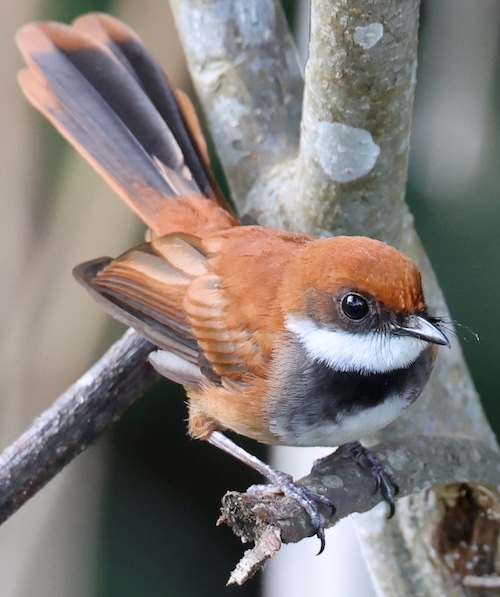
Palau, officially the Republic of Palau, is an island nation in the Pacific Ocean, some 800 km (500 miles) east of the Philippines and 3,200 km (2,000 miles) south of Tokyo. Having emerged from United Nations trusteeship (administered by the United States) in 1994, it is one of the world’s youngest and smallest nations.
Palau’s most populous islands are Angaur, Babeldaob, Koror, and Peleliu. The latter three lie together within the same barrier reef, while Angaur is an oceanic island several miles to the south. About two-thirds of the population live on Koror. The coral atoll of Kayangel is situated north of these islands, while the uninhabited Rock Islands (about 200) are situated to the west of the main island group. A remote group of six islands, known as the Southwest Islands, some 600 km (375 miles) from the main islands, are also part of the country and make up the states of Hatohobei and Sonsorol.
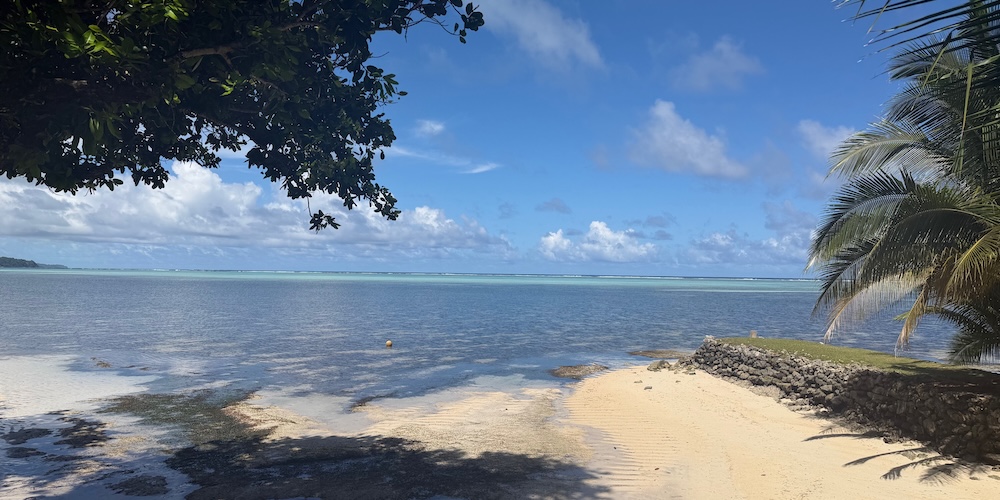
©Nick Ludovic Green – Bird-Photo-Tours ASIA
Palau enjoys a tropical climate all year round with an annual mean temperature of 27 °C. Rainfall can occur throughout the year, averaging a total of 150 inches . The average humidity over the course of the year is 82%, and although rain falls more frequently between July and October, there is still much sunshine. Typhoons are rare, as Palau is outside the main typhoon zone.
Birding Palau
Palau sits within two major flyways for migratory waders, namely the West Pacific Flyway and the East Asian-Australasian Flyway. Of the major flyways of the world, the East Asian-Australasian Flyway hosts the richest diversity of migratory bird species including 54 migratory wader species. Sadly, populations are rapidly declining due to the loss of coastal wetlands in Asia that have been critical stopover points where the birds rest and build up their fat reserves before continuing migrating. The Palau Bird Records Committee, report that 41 migratory waders are known to visit Palau during their journeys to and from breeding grounds in Asia. At least 25 species occur on the sandflats (“lkes”) of Peleliu Island, making Peleliu a globally important destination for almost half of the migratory waders in the East Asian-Australasian Flyway and over 60% of the shorebirds of Palau. An assessment found that the northern sandflats and associated islets of Peleliu provide a globally important habitat for many different species of migrating waders. BirdLife International confirmed that their large numbers and rich diversity at the site met international criteria for a globally important shorebird refuge. BirdLife International designated the site as a new Important Bird Area (IBA) named Northern Peleliu Lkes and declared the IBA the most important shorebird site in Micronesia. Ngeremeskang Bird Sanctuary has also now been established.
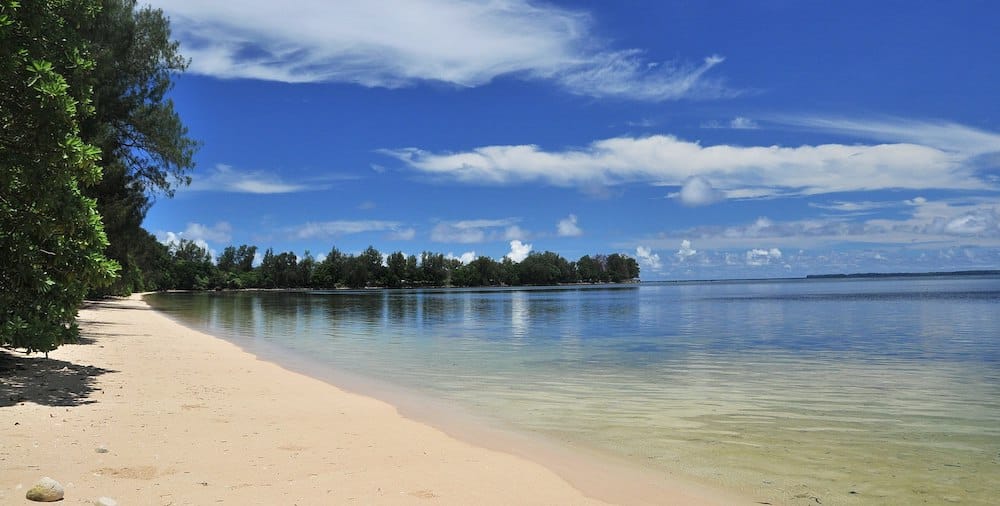
Orange Beach, Peleliu – ©Babiesan, CC BY-SA 3.0 via Wikimedia Commons
The forested islands of the Northern Peleliu Lkes IBA also provides habitat for land birds such the endangered Palau Megapode, which has several active nesting mounds (“Ongiong”) on the island of Ngedebus in the IBA. The megapodes share their forest habitat on Ngedebus with the flocks of shorebirds that roost in the treetops. Four species of migratory egrets also visit Palau (Great, Intermediate, Little & Eastern Cattle Egret) as do Black-crowned Night Heron and the occasional Grey Heron and Chines Pond Heron, joining the resident Pacific Reef Egrets and Rufous Night Herons. Spoonbills and Ibis are also occasional vagrants.
While much of Palau’s natural environment remains free of environmental degradation, there are several areas of concern, including illegal fishing with the use of dynamite, inadequate facilities for disposal of solid waste in Koror, and extensive sand and coral dredging in the Palau lagoon. Like the other Pacific island nations, a potential major environmental threat is global warming and the related rising of sea level. Water coverage of low-lying areas is a threat to coastal vegetation, agriculture, and the purity of the nation’s water supply. Palau also has a problem with inadequate water supply and limited agricultural areas to support the size of the population. The nation is also vulnerable to earthquakes, volcanic activity, and tropical storms. Sewage treatment is a problem, along with the handling of toxic waste from fertilisers and biocides.
Palau, took the lead on a regional environmental initiative called the Micronesia challenge, which would conserve 30 percent of near shore coastal waters and 20 percent of forest land.
-
Wikipedia
GNU Free Documentation License
https://en.wikipedia.org/wiki/Palau
-
Number of bird species: 197
(As at April 2026)National Bird: Palau Fruit-Dove Ptilinopus pelewensis
Number of endemics: 13
Palau Ground-Dove Gallicolumba canifrons
Palau Fruit-Dove Ptilinopus pelewensis
Palau Scops Owl Pyrroglaux podarginus
Palau Nightjar Caprimulgus phalaena
Palau Swiftlet Aerodramus pelewensis
Palau Bush-Warbler Cettia annae<
Palau Fantail Rhipidura lepida
Palau Flycatcher Myiagra erythrop
Palau (Rusty-capped) Kingfisher Todiramphus pelewensis
Morningbird Pachycephala tenebrosa
Palau Cicadabird Coracina monacha
Dusky White-eye Zosterops finschii
Giant White-eye Megazosterops palauensis
-
Avibase
PDF ChecklistThis checklist includes all bird species found in Palau , based on the best information available at this time. It is based on a wide variety of sources that I collated over many years. I am pleased to offer these checklists as a service to birdwatchers. If you find any error, please do not hesitate to report them. -
Wikipedia
Annotated ListThis is a list of the bird species recorded in Palau. The avifauna of Palau include a total of 186 species, of which 12 are endemic, and 5 have been introduced by humans. 9 species are globally threatened.

-
Birds and Bats of Palau
By H Douglas Pratt & Mandy T Etpison | Mutual Publishing | 2008 | Paperback | 290 pages, 700 colour photos | ISBN: 9781566478717 Buy this book from NHBS.com -
Marine Environments of Palau
By Patrick L Colin | Mutual Publishing | 2009 | Paperback | 400 pages, 1200 colour photos | Out of Print | ISBN: 9780615274843 Buy this book from NHBS.com
-
Palau Conservation Society (PCS)
WebsiteThe Palau Conservation Society (PCS) works to empower our communities to steward Palau’s environment. Our vision is: Healthy Ecosystems for a Healthy Palau.
-
BS Ngermeskand Bird Sanctuary
WebpageSatellite ViewNgeremeskang Bird Sanctuary is committed to preserve and protect it biological diversity; provides an environment that secures the future of bird species, animals, and plants in their natural environment. -
Important Bird Areas in Palau
WebpageSatellite ViewThe Palau National Government is committed to keeping Palau’s bird populations and their habitats healthy for our current and future generations to enjoy, be inspired by, and benefit from. The identification of Important Bird Areas (IBAs) throughout Palau will assist our communities in planning and implementing their conservation and sustainable development strategies such as protected areas and land-use planning. -
NR Ngardok Nature Reserve
WebpageSatellite ViewThe Ngardok Nature Reserve houses Palau’s largest and most biologically diverse freshwater lake. Ngardok’s terrestrial habitats include native lowland forest, secondary forest, savanna, swamp forest, marsh, and riparian forests. The Reserve has unique vegetation, such as the native carnivorous flowering plant Urticularia and a high diversity for orchids (Costion, 2008). The lake is home to the rare Common Moorhen. Lake Ngardok is Palau’s only official recognized Wetland of International Importance (Ramsar Site). -
NR Ngerkeklau Island
WebpageSatellite ViewNgerkeklau Island in Ngarchelong State, Palau, is a beautiful nature reserve owned by the state and managed by the Ebiil Society, which teaches indigenous knowledge of environmental protection and natural resource management to local communities. -
Parks, Reserves, and Other Protected Areas in Palau
WebsiteSatellite ViewAccording to the data provided by the World Database on Protected Areas, in Palau there are one National Preserve, one Nature Reserve, two Reserves, 3 types of Sanctuaries, 3 State Conservation Areas, 10 Conservation Areas, and 3 other Protected Areas.
-
Bird-Photo-Tours ASIA
Tour OperatorBird Photography Tours concentrating on endemics... -
BirdQuest
Tour OperatorBirdquest’s Micronesia birding tours will take you to a scattering of small but beautiful Pacific Islands that between them hold 50 surviving endemic birds. Our Micronesia birding tour explores Palau, Yap, the Marianas, Truk (or Chuuk), Pohnpei and Kosrae, so has the potential to produce all of the Micronesian endemics.
-
2019 [03 March] - János Oláh - Micronesia
PDF ReportThis was our fifth tour to explore some of the more remote areas of the Western Pacific. We were pioneers with our first tour back in 2008 and even nowadays very few birders visit Micronesia on such a thorough basis as we do! Virtually no other birding companies offer such a comprehensive tour to this remote corner of the World, especially now as we supplemented the main tour with a short extension to Kosrae – following the splitting of Kosrae Frui-dove and Kosrae White-eye. A -
2019 [05 May] - Greg Roberts
ReportI saw all the endemics on those islands except the owl and nightjar. Many can also be seen easily around Koror, especially Long Island, an area of forest adjoining a waterside park on the southern edge of the town. -
2019 [05 May] - Greg Roberts
PDF Report...Seeing the Palau birds requires visiting two of the famed Rock Islands – Ulong and Ngeruktabel. I saw all the endemics on those islands except the owl and nightjar. Many can also be seen easily around Koror, especially Long Island, an area of forest adjoining a waterside park on the southern edge of the town... -
2026 [02 February] – Nick Ludovic Green | Bird-Photo-Tours ASIA
ReportThis trip report showcases many of the portraits from our 8-day 2026 Palau Bird-Photo-Tour covering Babeldaob Island plus the states of Koror, Peleliu and Kayangel.