

South Australia
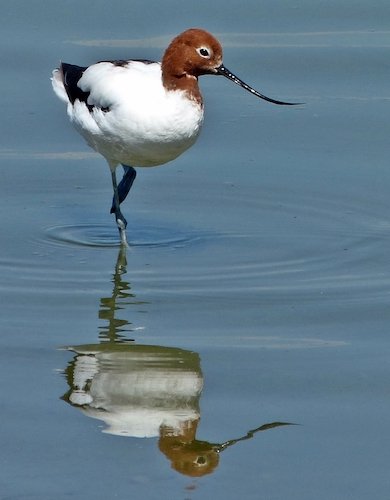
South Australia (abbreviation SA) is a state in the southern central part of Australia. It covers some of the most arid parts of the country. It shares borders with all the other mainland states. It is bordered to the west by Western Australia, to the north by the Northern Territory, to the northeast by Queensland, to the east by New South Wales, to the southeast by Victoria, and to the south by the sea – the Great Australian Bight. With a total land area of just under one million square kilometres (c.380,000 square miles), it is the fourth-largest of Australia’s states and territories by area, and second smallest state by population with 1.8 million people representing less than 8 percent of the Australian population. That population is the second most highly centralised in Australia, after Western Australia, with nearly 80% percent of South Australians living in the capital Adelaide, or its environs. Most of the remainder are settled in fertile areas along the south-eastern coast and River Murray. Other population centres in the state are relatively small; Mount Gambier, the second-largest centre, has a population of c. 27,000.
The terrain consists largely of arid and semi-arid rangelands, with several low mountain ranges. The most important (but not tallest) is the Mount Lofty-Flinders Ranges system, which extends north about 800 kilometres (500 miles) from Cape Jervis to the northern end of Lake Torrens. The highest point in the state is not in those ranges; Mount Woodroffe (1,435 metres (4,708 ft)) is in the Musgrave Ranges in the extreme northwest of the state. The south-western portion of the state consists of the sparsely inhabited Nullarbor Plain, fronted by the cliffs of the Great Australian Bight (at the edge of the Southern Ocean). Features of the coast include Spencer Gulf and the Eyre and Yorke Peninsulas that surround it. The Temperate Grassland of South Australia is situated to the east of Gulf St Vincent. South Australia’s wine industry is the largest in Australia. The principal industries and exports of South Australia are wheat, wine and wool. More than half of Australia’s wines are produced in the South Australian wine regions which principally include Barossa Valley northeast of Adelaide, Clare Valley, McLaren Vale, Coonawarra, the Riverland and the Adelaide Hills. The southern part of the state has a Mediterranean climate, while the rest of the state has either an arid or semi-arid climate.
Birding South Australia
South Australia offers around 450 species of Australian birds, and habitat areas available in South Australia comprise a mix of waterways, wetlands and mudflats, heath and hilly timbered areas, the famous semi-dry mallee, and the deserts. There are several distinct habitat types in SA, each with its own complement of endemic avifauna. There are a number of good wetland sites that always carry a good range of water birds, plus in the summer months they are often loaded with migratory waders. Many of these are accessible from Adelaide, some north of the city and some south, each direction probably being a separate day trip.
In the north are the Penrice Saltfields, (always a Mecca for waders) a number of samphire and mudflat beaches, and Price saltfields on the Yorke Peninsula. In the south are the Onkaparinga wetlands, long areas of soggy land (Cape Barren Geese) along the edge of Lake Alexandrina, ending in Tolderol Game reserve. Tolderol has long been recognised as a wader site, with the odd rarities such as Lesser Yellowlegs, Yellow wagtail, and Oriental Pratincole turning up. For longer trips the Coorong is further south, and there are some good wetland areas inland from the Coorong which need permission for access. Not many people know of these. There are huge areas of semi-dry mallee that run both sides of the Murray River and many kilometres north of it, and way out to the east to the Victorian border. Some of these have an enormous diversity of birds, obviously different to the wet areas. These areas are accessible on longish day trips, but are better surveyed with at least one overnight stay.
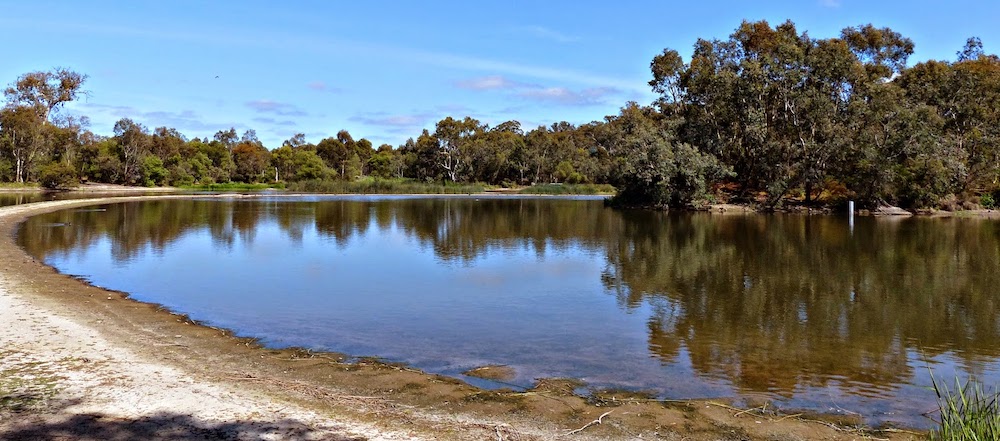
Laratinga Wetland, Mt Barker ©Andy Walker
The Murray River system also has vast wetland areas adjacent to mallee so has the benefit of two habitat types in close proximity. There are some excellent birding conservation parks along the river. The Adelaide hills provide yet another range of habitat types carrying mostly bush birds. All of these are readily accessed on day trips from Adelaide, so city accommodation is convenient.
Further afield, i.e. further north and west, one can access desert and other dry areas, some of which are saltbush/gibber plains, whilst others carry mallee communities. In these more remote areas are found the real desert specialist species such as grasswrens, whitefaces, chats, gibberbird etc. Practically, these involve overnight accommodation and are best seen over periods of some days or weeks.
-
Birds Australia Gluepot Reserve
WebsiteSatellite ViewBirds Australia's Gluepot Reserve covers 50,000 ha large area of virgin mallee scrub and contains no less than 6 nationally endangered bird species and a unique flora and fauna adapted to the harsh conditions. Gluepot's easy accessibility means it is one of the few areas in Australia where birdwatchers can relatively easily observe otherwise hard-to-find species. Some of the nationally significant species breeding on the Reserve are Malleefowl and Red-lored Whistler. Regent Parrot breeds along the Murray River and occupies the reserve when not breeding, and there are regular sightings of Scarlet-chested Parrot. The area contains by far the largest remaining population of the endangered Black-eared Miner, one of Australia's rarest birds. Much of the field research and monitoring required in the species' Recovery Plan is centered on the Reserve. Black-eared Miners were once considered common within their mallee habitat. By the early 1990s, there were few records in Victoria and NSW, and in SA the species was considered nearly extinct. However, following sightings of hybrid miners in the Bookmark - Gluepot area, surveys conducted in 1996 resulted in over 80 sightings of miners. Over 200 colonies are now known from this area. Although many contain hybrids, over a third of colonies contain mainly phenotypically pure Black- eared Miners. The Black-eared Miner resembles its close relative the Yellow-throated Miner. [A comprehensive Identification Sheet has been developed by Rohan Clarke and the Black-eared Miner Recovery Team]. Gluepot Reserve is accessible as follows: take the Sturt Highway to Waikerie (2 hrs from Adelaide). Follow the information on the map. It's about 50 km or 1.5 hrs drive north of Waikerie on well-maintained dirt roads, suitable to conventional vehicles. For more detailed information see the Gluepot Reserve website -
Saltpans and other wetlands around Adelaide
InformationSatellite ViewIn the direct vicinity of Adelaide are some interesting wetlands. The Penrice Saltfields are excellent for migratory waders, between October - April. Rarities often turn up here. Access is limited and is easiest through regular Birds SA outings, or get in touch with Adelaide birders who have a key through the national bird email newsgroup Birding-Aus. Nearby, the newly developed Greenfields Wetlands often have a surprise waiting for the persistent birder in the form of Australasian Bittern, Baillon's Crake, Long-toed Stint, Pectoral Sandpiper, Australian Pratincole and many others. Tolderol Game Reserve, on the shores of Lake Alexandrina, is an excellent little reserve containing a number of ponds with different water levels and vegetation cover. The ponds have resident populations of terns, ducks, crakes, rails, and the occasional Bittern, while migratory waders can be observed at close quarters and the odd vagrant turns up every so often. -
The outback from the Flinders Ranges northwards
InformationSatellite ViewThe two species endemic to SA occur here. At a number of sites (for example Willow Springs, 15 km N of Wilpena Pound in the Flinders Ranges) Short-tailed Grasswren can be found, a recent split from the Striated Grasswren. A bit further north, the southern stretch of the Strzelecki Track is where Banded Whiteface, Letter-winged Kite, Gibber Chat and Cinnamon Quail-thrush are regularly found. In the Lyndhurst-Marree area there are reliable sites for Chestnut-breasted Whiteface and Thick-billed Grasswren. Along the Birdsville Track from Marree to Birdsville and West to Kooncherie Waterhole and Pandie Burra bore, bird for Eyrean- and Grey Grasswren, Gibber-, Orange- and Yellow Chat, Flock Bronzewing, Grey Falcon, Letter-winged Kite, and Cinnamon Quail-thrush. When vast Lake Eyre irregularly fills, only a few times per century, it becomes an oasis in the desert with enormous numbers of breeding Banded Stilts and Australian Pelicans. From SA, access to Lake Eyre is through Marree. For the remote outback areas, where conditions can become unbearable for the ill-prepared birdwatcher, up-to-date information on both where to find key species as well as on the condition of tracks is of vital importance.
-
Tony Russell
| twitcher@senet.com.au
-
Peter Waanders
Birding South Australia | waanders.peter@gmail.com
https://www.bellbirdtours.com/about-us/
-
Number of bird species: 487
State Bird - Australian Magpie nowadays known as the Piping Shrike Gymnorhina tibicen (telonocua)
Number of endemics: 2
Chestnut-breasted Whiteface Aphelocephala pectoralis
Short-tailed Grasswren Amytornis merrotsyi
-
Annotated List of the Birds of South Australia
Species List PDFThe following list includes all species of birds reliably recorded from free-living populations within South Australia during the period of European settlement. There are 317 non-passerines (of which seven are introduced) and 183 passerines (six introduced), totalling 500 species for the state. Appendix 1 at the end of this chapter includes a) species for which records are unconfirmed or rejected and b) introduced species for which there are no current feral populations. We have extended our earlier list (Horton, Blaylock and Black 2013) for this fifth edition by naming all subspecies for the first time. -
Avibase - The World Bird Database
Checklist PDFPrintable Checklist -
List of birds of South Australia
Species ListSouth Australia is a state in Australia with 487 species of bird recorded.

-
Regional Field Guide to Birds: South-East Coast and Ranges
| By Graham Pizzey & Frank Knight | Harper Collins Australia | 2013 | paperback | 144 pages, colour photos, colour illustrations | Out of Print | ISBN: 9780732295356 Buy this book from NHBS.com
-
Adelaide Ornithologists' Club
WebsiteWelcome to the AOC website. Meetings are usually held on the second Wednesday of each month, except December and January, and outings on the following Sunday. For more detail please visit the Meetings and Outings pages. In addition, you can contribute to the Bulletin Board with greetings, news or sightings, and you can still send Paul (paulloyd963@gmail.com) your bird sightings... -
BirdLife South East SA
WebpageSoutheastern South Australia is a diverse region, covering coastal and inland areas. This richness of habitat is reflected in birdlife, but many beautiful birds in the area are under threat. From the Mallee to the coast, across forests and wetlands, many special species are in short supply. -
Birds South Australia
WebsiteBirds SA is a not-for-profit organisation for birds and birdwatchers in SA. Join us to support our endeavours, and to get into birdwatching! -
National Parks and Wildlife Service South Australia
WebsiteThe Department for Environment and Water (DEW) is committed to creating a sustainable environment that can be enjoyed by everyone both now and into the future. -
Nature Conservation Society of South Australia
WebsiteWe have one purpose – to ensure that native species and their habitats are conserved throughout South Australian landscapes, safeguarding our unique nature now and for the future.
-
BG Wittunga
WebpageSatellite ViewWittunga is home to a huge variety of bird and animal life that are attracted to the Gardens’ flora. Here's where you might find them. As you enter Wittunga Botanic Garden, you’ll instantly notice the calls of the amazing birds that call Wittunga home. Spend time spotting native birds, which are attracted by the sweet nectar and fruit produced by native Australian plants found in the Bird Garden. Eastern spinebills, New Holland honeyeaters and wattlebirds can be seen collecting nectar. In doing so they pollinate Australian Banksias, Hakeas and Grevilleas, as well as some South African Proteas... -
NP Winaityinaityi Pangkara (Adelaide International Bird Sanctuary)
WebpageSatellite ViewThe Adelaide International Bird Sanctuary has been created to help protect resident and migratory shorebirds that gather along the coast of Gulf St Vincent in the north-west of Adelaide and covers a 60 kilometre stretch of coast, from the Barker Inlet to the township of Port Parham. See also their Facebook Page -
NR Warrawong Sanctuary
WebsiteSatellite ViewWarrawong Earth Sanctuary offers a true Australian Wildlife Experience in the Adelaide Hills, only 25 minutes from the centre of Adelaide, South Australia. Watch the bush come alive on a tour with our experienced guides - there's no better way to see rare and endangered Australian animals in the wild… -
WP Cleland
WebsiteSatellite ViewGetting here Getting here We are only 20 minutes from the Adelaide city centre, at 365 Mount Lofty Summit Road, Crafers. -
WR Gluepot
WebsiteSatellite ViewWelcome to Gluepot! Welcome to Gluepot Reserve, Birds Australia's first publicly funded Reserve. Located in the semi-arid South Australian mallee it is considered by many to be one of the crown jewels in the nation's reserve system. This 50,000 ha large area of virgin mallee scrub contains no less than 6 nationally endangered bird species and a unique flora and fauna adapted to the harsh conditions. Purchased in 1997, Gluepot is rapidly becoming a centre for scientific research. Its accessibility means it is one of the few areas in Australia where birdwatchers can relatively easily observe otherwise hard-to-find species. -
WR Hart Lagoon (Waikerie)
WebpageSatellite ViewWhile being a haven for waterfowl and other birdlife, from an ecological perspective Hart Lagoon near Waikerie in the South Australian Riverland has long been a rather degraded, permanently inundated River Murray wetland. During 1996-99, the Riverland West Local Action Planning Association received three Natural Heritage Trust grants to rehabilitate the natural environment of this important wetland/floodplain area… -
WS Arkaroola
WebsiteSatellite ViewThe region abounds with towering granite peaks; razorback quartzite ridges, slashed by precipitous gorges; creeks with cool, deep waterholes framed by stately Australian gum trees that are centuries old; more than 160 species of colourful native birds; the rare Yellow Footed Rock Wallaby and other Australian marsupials… -
WS Hanson Bay
WebsiteSatellite ViewThe Hanson Bay Sanctuary is the best place on Kangaroo Island to see a sustainable population of Koalas in the wild. -
WS Yookamurra
InformationSatellite ViewThreatened fauna species include malleefowl, emu, southern hairy-nosed wombat, western grey kangaroo, red kangaroo, numbat, greater bilby, boodie, woylie and short-beaked echidna...
-
Birdline South Australia
SightingsBirdline South Australia is a site for the reporting of rare or unusual birds outside their normal range, unusually high or low numbers, early or late arrivals or departures for migrant species and interesting behaviour or unusual habitat usage. -
South Aussie Birding
Discussion, sightings, ID etcI have created this group as a channel for all things birding in South Australia... Be it sightings, ID's, images, stories. field trips
-
Australian Ornithological Services
Tour OperatorPhilip Maher was born in Deniliquin, in south-western New South Wales in 1954. His interest in natural history was fostered by his parents from a young age. While Philip is an authority on Australian birds generally, his name is synonymous with the Plains-wanderer, a bird of the open plains in inland Australia. In 1980 Philip was with a party of local birders when they came across the Plains-wanderer. He went on to study the species extensively, banding about 600 birds and has shown the species to great numbers of Australian, American and European birders… -
Bellbird Tours
Tour OperatorBird guiding services in South Australia and beyond. With twelve years local experience and flexible options to suit your needs. Southern Australia is home to almost 500 species of birds. Habitats range from the dry red interior to lush, green eucalypt forests, and also include riverine wetlands and floodplains; mangroves and estuaries; the Murray River; vast expanses of the semi-arid mallee scrubland; and outback deserts with spectacular mountain ranges… -
Bird Tours SA
Tour OperatorBorn and raised in South Australia, Steve always had a passion for the outdoors and took a keen interest in its wildlife. His first introduction to birding however, was during a three year stint as a teenager, while his parents worked in Malawi, Central Africa. ?He started guiding with small groups around the Zomba Plateau, and then expanded to the soon-to-be-opened Liwonde National Park. Since his return he has travelled extensively around Australia adding over 570 species from the mainland -
South Australia Birding & Photography Tours
Tour OperatorThere are many great birding and bird photography destinations around Adelaide and further afield: the River Murray & its wetlands, the Adelaide International Bird Sanctuary, the Coorong National Park, the Flinders Ranges, Gluepot, and elsewhere…. We have a range of guided birding and photography tours in South Australia.We cater for all levels and types of birding including photographers, birders and listers. -
Wings
Tour OperatorSouthern Australia is becoming one of the world’s top birding destinations being home to over 450 species of birds. As Wings is ideally located to easily access many of the best bird habitat areas we at Wings have developed a close working relationship with “Southern Birding Services”, the premier bird tour company in South Australia.
-
2017 [09 September] - Ian Reid & Paul Coddington - Birdsville Track
PDF ReportIn the end we still had an excellent trip in which I picked up a number of SA ticks and even a few lifers (Short-tailed Grasswren and Crimson Chat in the Flinders, Blue-breasted Fairywren in Lake Gilles), and we dubbed the trip the “Two Grasswren Tour” forour success in locating both the Short-tailed and also Western at both Whyalla Conservation Park and on the Iron Knob road. But I had still to taste what arguably is thetrue outback, off the bitumen, into the desert, where life is on the edge and variousvery special birds live. -
2019 [10 October] - Joshua Bergmark & Alex Berryman
PDF ReportStarting in the wet forests near Melbourne, our first taste of Australia came in the form of brightly coloured birds like Crimson Rosella, Eastern Spinebill and Eastern Yellow Robin, alongside ancient lineages of passerines like Superb Lyrebird (one male doing his full vocal repertoire right in front of us!), skulking Pilotbirds, active Pink Robins, enormous Powerful Owls, elusive Gang-gang Cockatoos, and charismatic endemics like Crested Pigeon, Galah, Australian Magpie, and Superb Fairywren... -
2019 [11 November] - Joshua Bergmark & Alex Berryman
PDF ReportStarting in the wet forests near Melbourne, our first taste of Australia came in the form of brightly coloured birds like Crimson Rosella, Eastern Spinebill and Eastern Yellow Robin, alongside ancient lineages of passerines like Superb Lyrebird (one male doing his full vocal repertoire right in front of us!), skulking Pilotbirds, active Pink Robins, enormous Powerful Owls, elusive Gang-gang Cockatoos, and charismatic endemics like Crested Pigeon, Galah, Australian Magpie, and Superb Fairywren. Coastal areas held stonking Cape Barren Geese, cute Hooded Dotterels, and at night we tracked down the elusive “Tasmanian Boobook”, currently assigned within Morepork. Rufous Bristlebird, Blue-winged Parrot, courting Fairy Terns, Striated Fieldwren, and a plethora of nectarivores like... -
2022 [05 May] - Alexandrina
ReportIn the township of Mt Barker in the Adelaide Hills lies a wonderful wetlands area called Laratinga, much loved by the locals for jogging and dog walking… and much loved by visiting birders. It has to be one of the best places in Australia to see the elusive Spotless Crake, a skulking reed bird that is maddening to get even tiny glimpses of anywhere else. Also featuring: many other birds...
-
Kangaroo Island
AccommodationA selection of accommodations
-
Trevor Hampel - Trevor’s Birding
BLOGIn this blog I will be writing about birds I see or photograph in my garden or in the Murray Bridge district of South Australia (80km SE of Adelaide). I will also write about the birds I see and photograph as I travel around Australia on holidays