

Republic of the Philippines
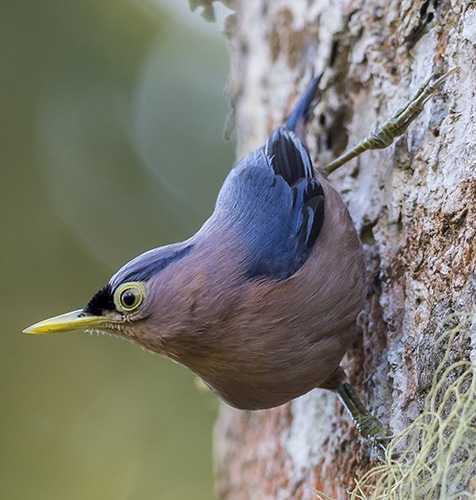
The Philippines is an archipelagic country in Southeast Asia. In the western Pacific Ocean, it consists of 7,641 islands, with a total area of roughly 300,000 km2 (120,000 square miles), which are broadly categorised in three main geographical divisions from north to south: Luzon, Visayas, and Mindanao. The Philippines is bounded by the South China Sea to the west, the Philippine Sea to the east, and the Celebes Sea to the south. It shares maritime borders with Taiwan to the north, Japan to the northeast, Palau to the east and southeast, Indonesia to the south, Malaysia to the southwest, Vietnam to the west, and China to the northwest. It is the world’s twelfth-most-populous country with an estimated population of around 115 million people, with diverse ethnicities and cultures. Manila is the country’s capital, and its most populated city is Quezon City. Both are within the mega city known as Metro Manila with a population estimated at 27 million people!
The country’s 11 largest islands are Luzon, Mindanao, Samar, Negros, Palawan, Panay, Mindoro, Leyte, Cebu, Bohol and Masbate, about 95 percent of its total land area. The Philippines’ coastline measures 36,289 kilometres (22,549 miles), the world’s fifth-longest, and the country’s exclusive economic zone covers nearly 2,264,000 km2 (over 874,000 square miles).
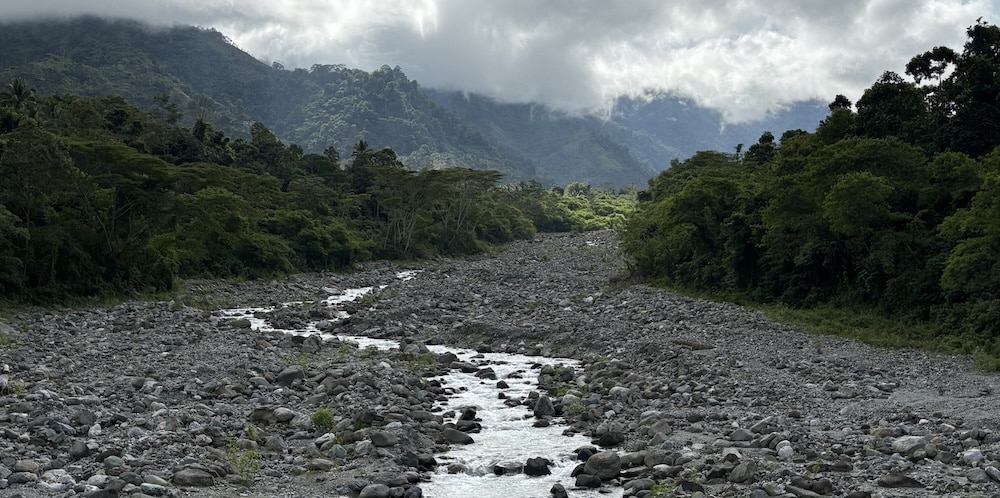
New Bataan, Andap, Mindanao – ©Chris Lotz Birding Ecotours
Its highest mountain is Mount Apo on Mindanao, with an altitude of 9,692 feet above sea level. The longest river is the Cagayan River in northern Luzon, which flows for about 520 kilometres (320 miles). Manila Bay, on which is the capital city of Manila, is connected to Laguna de Bay (the country’s largest lake) by the Pasig River.
The Philippines is a megadiverse country, with some of the world’s highest rates of discovery and endemism (67 percent). With an estimated 13,500 plant species in the country (3,500 of which are endemic), Philippine rain forests have an array of flora: about 3,500 species of trees, 8,000 flowering plant species, 1,100 ferns, and 998 orchid species have been identified. There are 167 terrestrial mammals (102 endemic species), 235 reptiles (160 endemic species), 99 amphibians (74 endemic species), 766 birds (282 endemic species), and over 20,000 insect species. As an important part of the Coral Triangle ecoregion, Philippine waters have unique, diverse marine life and the world’s greatest diversity of shore-fish species. It also has over 3,200 fish species (121 endemic). Philippine waters sustain the cultivation of fish, crustaceans, oysters, and seaweeds.

Mount Hamiguitan – ©Kirubiiphoto CC BY-SA 4.0 via Wikimedia Commons
The Philippines is a priority hotspot for biodiversity conservation; it has more than 200 protected areas, which was expanded to 7,790,000 hectares (30,100 square miles) as of 2023. Three sites in the Philippines have been included on the UNESCO World Heritage List: the Tubbataha Reef in the Sulu Sea, the Puerto Princesa Subterranean River, and the Mount Hamiguitan Wildlife Sanctuary.
Birding the Philippines
With over 7,500 islands stretching from the Malayan-Indonesian complex in the south to close to Taiwan in the north, sandwiched between the South China Sea and Pacific Ocean the Philippines is both a rewarding and difficult place to bird-watch. The processes of geography and evolution has left one of the highest degrees of endemism known in the world with almost 300 species of birds only found within the archipelago. Add to those other species mainly found within the islands and a huge potential for further splits and one can see the attraction for birding here.
As if the prospect of travelling through a myriad of islands of different sizes, shapes and forms each often with its own dialect and transportation and access problems was not enough, the element of human influence is also one of the highest in the world. Virtually anywhere in the country there are people, either settlers or indigenous people, encroaching on remnants of habitat in each of the islands. This pressure can be so intense that within a season a whole area can vanish, taking with it what was possibly a large percentage of the remaining population of several species in one fell swoop. Hence many visiting birders are told – visit now before it is too late.
The list of non-endemics reaches around 300 species although this has been increasing each year as more people regularly bird-watch and more foreign tours visit the islands. It is important that trip reports be relayed to the recording body so that valuable data may be gathered to add to what is currently a largely word-of-mouth list of sightings and numbers. There are three generally recognised geographical regions – Luzon, the Visayas and Mindanao, although for birdwatchers the area of Palawan is a 4th region that must be treated separately.

Mount Pulag (Luzon’s Highest Peak) National Park – ©Eric Montalban CC BY-SA 4.0 via Wikimedia Commons
Luzon – The largest island with a limited number of associated islands off the north and east coasts, Luzon contain all the major habitats from mossy forest to marshlands. Due to logging there is extremely limited lowland forest left but within most mountainous areas small remnants of forest can be found. The island is relatively easy and safe to move around and with fairly good transportation links. There are a few birdwatching sites within or close to Metropolitan Manila but most endemics are found scattered a day or two’s travel away.
The Visayas – The belt of the Philippine archipelago, the Visayas consist of the majority of the islands. In ornithological terms there are two or three major areas – the Negros/Panay complex in the west, Cebu in the centre and the Bohol/Samar/Leyte group to the east, which have many shared species with Mindanao to the south. Environmental degradation in this region is extreme – especially in the east where several species are located in very small forest patches and some species may even be already extinct or in non-sustainable situations. Travel is again not difficult and the area is generally peaceful and easy to access. With most of the islands being small, travel time to sites is normally a day although there are no formal organised transportation links and most visitors use local guides.

Osmeña Peak, Cebu – ©Patrickroque01 CC BY-SA 4.0 via Wikimedia Commons
Mindanao – A large island close to Borneo, Mindanao is also all too often seen in the news or travel advisory lists as a place to avoid. Instability does occur, but in general it is within certain areas and other regions are peaceful and the people receptive. With a host of endemics, and being the last holdout for the Philippine Eagle, one can see why most people still want to visit. However, areas are restricted and travel mainly must be done with prior organisation or with extra days on hand to move about.
Palawan – Some of the easiest birding in the country and set in a truly tropical setting, Palawan is a favourite for anyone. With its own set of birds quite distinct to the rest of the country and a good set of migrants it makes a pleasant change from the hard work of the heavily trapped and bird-poor forests of the rest of the Philippines.
Other wildlife – As with other tropical countries the forests abound with insects and reptiles making a pleasant diversion while waiting to see a bird. Orchids are also abundant and as with the birds, endemism is also common across all the biological communities.
Weather & other considerations – Although Mindanao has a more equatorial climate to the northern areas in general the islands are governed by a dual season climate; wet (June to October) and dry (December to April). Temperatures are normally between 25-35 although the mountains can be cold at night in the early part of the year. Malaria remains in a very few areas, but is not a major problem and other diseases are not significant. Most normal facilities (food, health care, airports etc.) are available within a day’s trek of any of the birding sites.

Mount Pinatubo Caldera Lake – ©Lance Vanlewen CC BY-SA 4.0 via Wikimedia Commons
Birding around Manila – Within the city are two main sites that are easily accessible to a visitor; the American Memorial Cemetery and the Libingan ng mga Bayani (or National Heroes Cemetery). Both have a small selection of birds and are a good place to see passage migrants. Just to the south of Manila and about a two-hour drive lies Mount Makiling, which holds a good number of wet lowland forest endemics and is worth a visit at any time of year. Rather basic accommodation is available locally for those wanting an early start although many people do the site on a day-trip basis. Also two hours to the south lies a forested area known as Pico do Loro although a reference to Caylabne Bay or Puerto Azul (beach resorts) would be more likely to get you there. A dry lowland forest it has many shared species with Makiling and also a few others, which are not.
Records – Please do feel free to contact the Wild Bird Club or see our Facebook Page: Wild Bird Club of the Philippines for any information – particularly regarding birding around Metro Manila. In addition we request all records and/or trip reports be sent to me, James McCarthy in order to help build up our database.
This page is sponsored by Bird-Photo-Tours ASIA

-
James McCarthy
| mccarthy@qinet.net
Facebook Page
-
Number of bird species: 766
(As at January 2025)National Bird: Pilippine (Monkey-eating) Eagle Pithecophaga jefferyi
Number of endemics: 282
Palawan Peacock-pheasant Polyplectron napoleonis
Philippine Duck Anas luzonica
Philippine Collared-dove Streptopelia dusumieri
Luzon Bleeding-heart Gallicolumba luzonica
Mindanao Bleeding-heart Gallicolumba crinigera
Mindoro Bleeding-heart Gallicolumba platenae
Negros Bleeding-heart Gallicolumba keayi
Sulu Bleeding-heart Gallicolumba menagei
White-eared Brown-dove Phapitreron leucotis
Buff-eared Brown-dove Phapitreron nigrorum
Short-billed Brown-dove Phapitreron brevirostris
Amethyst Brown-dove Phapitreron amethystinus
Grey-breasted Brown-dove Phapitreron maculipectus
Cebu Brown-dove Phapitreron frontalis
Mindanao (Dark-eared) Brown-dove Phapitreron brunneiceps
Tawitawi Brown-dove Phapitreron cinereiceps
Philippine Green-pigeon Treron axillaris
Pink-bellied Imperial-pigeon Ducula poliocephala
Mindoro Imperial-pigeon Ducula mindorensis
Spotted Imperial-pigeon Ducula carola
Cream-breasted Fruit-dove Ramphiculus merrilli
Flame-breasted Fruit-dove Ramphiculus marchei
Yellow-breasted Fruit-dove Ramphiculus occipitalis
Black-chinned Fruit-Dove Ptilinopus leclancheri
Negros Fruit-dove Ptilinopus arcanus
Philippine Frogmouth Batrachostomus septimus
Philippine Nightjar Caprimulgus manillensis
Chirruping Nightjar Caprimulgus griseatus
Philippine Spinetail Mearnsia picina
Pygmy Swiftlet Collocalia troglodytes
Gray-rumped Swiftlet Collocalia marginata
Ridgetop Swiftlet Collocalia isonota
Whitehead's Swiftlet Aerodramus whiteheadi
Philippine Swiftlet Aerodramus mearnsi
Rufous Coucal Centropus unirufus
Black-faced Coucal Centropus melanops
Black-hooded Coucal Centropus steerii
Philippine Coucal Centropus viridis
Red-crested Malkoha Dasylophus superciliosus
Scale-feathered Malkoha Lepidogrammus cumingi
Philippine Drongo-cuckoo Surniculus velutinus
Philippine Hawk-cuckoo Hierococcyx pectoralis
Luzon (Brown-banded) Rail Lewinia mirifica
Philippine Swamphen Porphyrio pulverulentus
Calayan Rail Gallirallus calayanensis
Philippine (Plain) Bush-hen Amaurornis olivacea
Bukidnon Woodcock Scolopax bukidnonensis
Spotted Buttonquail Turnix ocellatus
Luzon Buttonquail Turnix worcesteri
Chocolate Boobook Ninox randi
Luzon Boobook Ninox philippensis
Mindanao Boobook Ninox spilocephala
Camiguin Boobook Ninox leventisi
Sulu Boobook Ninox reyi
Cebu Boobook Ninox rumseyi
Romblon Boobook Ninox spilonotus
Mindoro Boobook Ninox mindorensis
Giant Scops-owl Otus gurneyi
Philappine Scops-owl Otus megalotis
Matanani Scops-owl Otus matananensis
Negros Scops-owl Otus nigrorum
Everett's Scops-owl Otus everetti
Palawan Scops-owl Otus fuliginosus
Luzon Scops-owl Otus longicornis
Mindanao Scops-owl Otus mirus
Mindoro Scops-owl Otus mindorensis
Philippine Eagle-owl Bubo philippensis
Philippine Honey-buzzard Pernis steerei
Philippine Serpent-eagle Spilornis holospilus
Philippine Eagle Pithecophaga jefferyi
Philippine Hawk-eagle Nisaetus philippensis
Pinsker's Hawk-eagle Nisaetus pinskeri
Philippine Trogon Harpactes ardens
Rufous Hornbill Buceros hydrocorax
Samar Hornbill Penelopides samarensis
Sulu Hornbill Anthracoceros montani
Palawan Hornbill Anthracoceros marchei
Writhed Hornbill Rhabdotorrhinus leucocephalus
Writhed (Rufous-headed) Hornbill Rhabdotorrhinus waldeni
Visayan Hornbill Penelopides panini
Mindanao Hornbill Penelopides affinis
Mindoro Hornbill Penelopides mindorensis
Luzon Hornbill Penelopides manillae
Rufous-crowned Bee-eater Merops americanus
Philippine Dwarf-kingfisher Ceyx melanurus
South Philippine Dwarf-Kingfisher Ceyx mindanensis
Dimorphic Dwarf-kingfisher Ceyx margarethae
Indigo-banded Kingfisher Ceyx cyanopectus
Southern Indigo-banded Kingfisher Ceyx nigrirostris
Northern Silvery Kingfisher Ceyx flumenicola
Southern Silvery Kingfisher Ceyx argentatus
Brown-breasted Kingfisher Halcyon gularis
Spotted Kingfisher Actenoides lindsayi
Blue-capped Kingfisher Actenoides hombroni
Rufous-lored Kingfisher Todiramphus winchelli
Red-headed Flameback Chrysocolaptes erythrocephalus
Luzon Flameback Chrysocolaptes haematribon
Buff-spotted Flameback Chrysocolaptes lucidus
Yellow-faced Flameback Chrysocolaptes xanthocephalus
Spot-throated Flameback Dinopium everetti
Northern Sooty Woodpecker Mulleripicus funebris
Southern Sooty Woodpecker Mulleripicus fuliginosus
Philippine Pygmy Woodpecker Picoides maculatus
Sulu Pygmy Woodpecker Picoides ramsayi
Philippine Falconet Microhierax erythrogenys
Philippine Cockatoo Cacatua haematuropygia
Mindanao Lorikeet Trichoglossus johnstoniae
Guaiabero Bolbopsittacus lunulatus
Philippine Hanging-parrot Loriculus philippensis
Camiguin Hanging-parrot Loriculus caminguinensis
Black-billed Hanging-parrot Loriculus bonapartei
Mindanao Racquet-tail Prioniturus waterstradti
Luzon Racquet-tail Prioniturus montanus
Blue-headed Racquet-tail Prioniturus platenae
Mindoro Racquet-tail Prioniturus mindorensis
Sulu (Blue-winged) Racquet-tail Prioniturus verticalis
Green Racquet-tail Prioniturus luconensis
Blue-crowned Racquet-tail Prioniturus discurus
Passerines
Philippine Pitta Erythropitta erythrogaster
Whiskered Pitta Erythropitta kochi
Azure-breasted Pitta Pitta steerii
Visayan Wattled Broadbill Sarcophanops samarensis
Mindanao Wattled Broadbill Sarcophanops steerii
Philippine Oriole Oriolus steerii
White-lored Oriole Oriolus albiloris
Isabela Oriole Oriolus isabellae
Yellow-bellied Whistler Pachycephala philippinensis
Green-backed Whistler Pachycephala albiventris
White-vented Whistler Pachycephala horneyei
Visayan Cuckooshrike Coracina panayensis
Sulu Cuckooshrike Coracina guillemardi
Mindoro Cuckooshrike Coracina mindorensis
McGregor's Cuckooshrike Malindangia mcgregori
White-winged Cuckooshrike Edolisoma ostentum
Blackish Cuckooshrike Edolisoma coerulescens
Black-bibbed Cuckooshrike Edolisoma mindanense
Northern Black-and-white Triller Lalage melanoleuca
Black-and-white Triller Lalage minor
Black-and-cinnamon Fantail Rhipidura nigrocinnamomea
Blue-headed Fantail Rhipidura cyaniceps
Tablas Fantail Rhipidura sauli
Visayan Fantail Rhipidura albiventris
Visayan Blue Fantail Rhipidura samarensis
Mindanao Blue Fantail Rhipidura superciliaris
Philippine Pied Fantail Rhipidura nigritorquis
Balicassiao Dicrurus balicassius
Short-tailed Drongo Dicrurus striatus
Tablas Drongo Dicrurus menagei
Palawan Drongo Dicrurus palawanensis
Short-crested Monarch Hypothymis helenae
Celestial Monarch Hypothymis coelestis
Northern Rufous Paradise-flycatcher Terpsiphone unirufa
Rufous Paradise-flycatcher Terpsiphone cinnamomea
Blue Paradise-flycatcher Terpsiphone cyanescens
Mountain Shrike Lanius validirostris
Sierra Madre Crow Corvus sierramadrensis
Samar Crow Corvus samarensis
Palawan Crow Corvus pusillus
Philippine Jungle Crow Corvus philippinus
Elegant Tit Pardaliparus elegans
Palawan Tit Pardaliparus amabilis
White-fronted Tit Sittiparus semilarvatus
Layte Plumed Warbler Micromacronus leytensis
Mindanao Plumed Warbler Micromacronus sordidus
Rufous-fronted Tailorbird Orthotomus frontalis
Green-backed Tailorbird Orthotomus chloronotus
Visayan (Chestnut-crowned) Tailorbird Orthotomus castaneiceps
Yellow-breasted Tailorbird Orthotomus samarensis
White-browed (Black-headed) Tailorbird Orthotomus nigriceps
White-eared Tailorbird Orthotomus cinereiceps
Grey-backed Tailorbird Orthotomus derbianus
Long-tailed Bush Warbler Locustella caudata
Benguet Bush Warbler Locustella seebohmi
Cordillera Ground-warbler Robsonius rabori
Sierra Madre Ground-warbler Robsonius thompsoni
Bicol Ground-warbler Robsonius sorsogonensis
Palawan (Gray-throated) Bulbul Alophoixus frater
Sulphur-bellied Bulbul Iole palawanensis
Mindoro Bulbul Hypsipetes mindorensis
Zamboanga Bulbul Hypsipetes rufigularis
Yellowish Bulbul Hypsipetes everetti
Visayan Bulbul Hypsipetes guimarasensis
Camiguin Bulbul Hypsipetes catarmanensis
Sulu Bulbul Hypsipetes haynaldi
Streak-breasted Bulbul Hypsipetes siquijorensis
Philippine Bulbul Hypsipetes philippinus
Ashy-fronted Bulbul Pycnonotus cinereifrons
Yellow-wattled Bulbul Poliolophus urostictus
Lemon-throated Leaf-warbler Phylloscopus cebuensis
Philippine Leaf-warbler Phylloscopus olivaceus
Negros Leaf-warbler Phylloscopus nigorum
Rufous-headed Tailorbird Phyllergates heterolaemus
Philippine Bush-warbler Horornis seebohmi
Palawan Striped Babbler Zosterornis hypogrammicus
Panay Striped Babbler Zosterornis latistriatus
Negros Striped Babbler Zosterornis nigrorum
Luzon Striped Babbler Zosterornis striatus
Chestnut-faced Babbler Zosterornis whiteheadi
Mindanao Heleia Heleia goodfellowi
Golden-crowned Babbler Sterrhoptilus dennistouni
Visayan Babbler Sterrhoptilus nigrocapitatus
Rusty-crowned Babbler Sterrhoptilus capitalis
Calabarzon Babbler Sterrhoptilus affinis
Flame-templed Babbler Dasycrotapha speciose
Visayan Pygmy Babbler Dasycrotapha pygmaea
Mindanao Pygmy Babbler Dasycrotapha plateni
Yellowish White-eye Zosterops nigrorum
Brown Tit-babbler Macronus striaticeps
Palawan Babbler Malacopteron palawanense
Ashy-headed Babbler Trichastoma cinereiceps
Bagobo Robin Leonardina woodi
Striated Wren-babbler Ptilocichla mindanensis
Falcated Wren-babbler Ptilocichla falcata
Sulphur-billed Nuthatch Sitta oenochlamys
Stripe-headed Rhabdornis Rhabdornis mystacalis
Long-billed Rhabdornis Rhabdornis grandis
Visayan Rhabdornis Rhabdornis rabori
Stripe-breasted Rhabdornis Rhabdornis inornatus
Apo Myna Goodfellowia miranda
Coleto Sarcops calvus
Ashy Thrush Geokichla cinereal
Mindoro Island-Thrush Turdus nigorum
Philippine Magpie-robin Copsychus mindanensis
White-browed Shama Kittacincla luzoniensis
Visayan Shama Kittacincla superciliaris
White-vented Shama Kittacincla nigra
Black Shama Kittacincla cebuensis
Ashy-breasted Flycatcher Muscicapa randi
Blue-breasted Blue-flycatcher Cyornis herioti
Rufous-breasted Blue-flycatcher Cyornis camarinensis
Palawan Blue-flycatcher Cyornis lemprieri
Philippine Jungle-flycatcher Cyornis ruficauda
Sulu Jungle-flycatcher Cyornis ocularis
Negros Jungle-flycatcher Vauriella albigularis
Rusty-flanked Jungle-flycatcher Vauriella insignis
Mindanao Jungle-flycatcher Vauriella goodfellowi
Philippine Shortwing Brachypteryx poliogyna
Little Slaty Flycatcher Ficedula basilanica
Bundok Flycatcher Ficedula luzoniensis
Cryptic Flycatcher Ficedula crypta
Furtive Flycatcher Ficedula disposita
Palawan Flycatcher Ficedula platenae
Luzon Redstart Phoenicurus bicolor
Palawan Fairy-bluebird Irena tweeddalii
Philippine Fairy-bluebird Irena cyanogastra
Yellow-throated Leafbird Chloropsis palawanensis
Philippine Leafbird Chloropsis flavipennis
Olive-backed Flowerpecker Prionochilus olivaceus
Palawan Flowerpecker Prionochilus plateni
Olice-cappedFlowerpecker Prionochilus nigrilore
Whiskered Flowerpecker Dicaeum proprium
Yellow-crowned Flowerpecker Dicaeum anthonyi
Flame-crowned Flowerpecker Dicaeum kampalili
Bicoloured Flowerpecker Dicaeum bicolor
Red-keeled Flowerpecker Dicaeum austral
Black-belted Flowerpecker Dicaeum haematostictum
Scarlet-collared Flowerpecker Dicaeum retrocinctum
Cebu Flowerpecker Dicaeum quadricolor
Buzzing Flowerpecker Dicaeum hypoleucum
Olive-capped Flowerpecker Dicaeum nigrilore
Pygmy Flowerpecker Dicaeum pygmaeum
Fire-throated Flowerpecker Dicaeum luzoniense
Pale Spiderhunter Arachnothera dilutior
Orange-tufted Spiderhunter Arachnothera flammifera
Naked-faced Spiderhunter Arachnothera clarae
Grey-throated Sunbird Anthreptes griseigularis
Purple-throated Sunbird Leptocoma sperata
Palawan Sunbird Cinnyris aurora
Lovely Sunbird Aethopyga shelleyi
Magnificent Sunbird Aethopyga magnifica
Metallic-winged Sunbird Aethopyga pulcherrima
Flaming Sunbird Aethopyga flagrans
Maroon-naped Sunbird Aethopyga guimarasensis
Handsome Sunbird Aethopyga bella
Lina's Sunbird Aethopyga linaraborae
Grey-hooded Sunbird Aethopyga primigenia
Tboli Sunbird Aethopyga tibolii
Green-faced Parrotfinch Erythrura viridifacies
Red-eared Parrotfinch Erythrura coloria
Cinnamon Ibon Hypocryptadius cinnamomeus
White-cheeked Bullfinch Pyrrhula leucogenis
Mindanao Seri Chrysocorythus mindanensis
-
Avibase
PDF ChecklistThis checklist includes all bird species found in Philippines , based on the best information available at this time. It is based on a wide variety of sources that I collated over many years. I am pleased to offer these checklists as a service to birdwatchers. If you find any error, please do not hesitate to report them. -
Exotic birding
ChecklistList of all species known to occur in the country. Table indicates whether each species is globally threatened or endangered according to the IUCN and also whether it is migratory, very rare, or accidental in the country. See sidebar for meaning of location codes and symbols associated with common names.* -
Wikipedia
Annotated ListThis is a list of the bird species recorded in the Philippines. The avifauna of the Philippines include a total of 743 species, of which 229 are endemic, five have been introduced by humans. -
Wild Bird Club of the Philippines
PDF ChecklistThe WBCP Checklist of Birds of the Philippines is one of the major contributions of the Wild Bird Club of the Philippines. The annual updated checklist is the work of WBCP Records Committee and Rarities Committee and the only checklist that accurately summarize information on Philippine birds. -
eBird
PDF ChecklistThis checklist is generated with data from eBird (ebird.org), a global database of bird sightings from birders like you. If you enjoy this checklist, please consider contributing your sightings to eBird. It is 100% free to take part, and your observations will help support birders, researchers, and conservationists worldwide.

-
A Guide to the Birds of the Philippines
| By Robert S Kennedy, Pedro C. Gonzales, Edward C Dickinson, Hector C Miranda Jr & Timothy H Fisher | Oxford University Press | 2000 | Paperback | 368 pages, 72 colour plates, colour maps | ISBN: 9780198546689 Buy this book from NHBS.com -
A Naturalist's Guide to the Birds of the Philippines
| By Maia Tañedo, Adrian Constantino, Trinket Constantino & Robert Hutchinson | John Beaufoy Books | 2018 | Edition 2 | Paperback | 176 pages, ~300 colour photos, 2 colour maps | ISBN: 9781912081530 Buy this book from NHBS.com -
A Photographic Guide to the Birds of Southeast Asia
| (Including the Philippines & Borneo) | By Morten Strange | Periplus Editions | 2014 | Paperback | 398 pages, colour photos, colour distribution maps | Out of Print | ISBN: 9780804844512 Buy this book from NHBS.com -
Birds of South-East Asia
| By Craig Robson | Christopher Helm | 2014 | Edition 2 | Paperback | 544 pages, 120 plates with 3600+ colour illustrations; 3 b/w illustrations, 1 colour & 1 b/w map | ISBN: 9781472916693 Buy this book from NHBS.com -
Birds of the Philippines
| By Desmond Allen | Lynx Edicions | 2020 | Flexibound | 400 pages, plates with 1615+ colour illustrations and 620+ colour distribution maps; 1 colour photo, 3 colour maps, 1 b/w illustration | ISBN: 9788416728329 Buy this book from NHBS.com -
Birds of the Philippines, Sumatra, Java, Bali, Borneo, Sulawesi, the Lesser Sundas and the Moluccas
| By Norman Arlott | William Collins (Harper Collins imprint) | 2018 | Hardback | 416 pages, 179 plates with colour illustrations; colour distribution maps | ISBN: 9780008102395 Buy this book from NHBS.com -
The 125 Best Bird Watching Sites in Southeast Asia
| Edited by Yong Ding Li & Low Bing Wen | John Beaufoy Books | Edition 2 | 2018 | 404 pages, colour photos, colour maps | ISBN: 9781912081523 Buy this book from NHBS.com
Philippine bird sounds
AndroidIntroducing Philippine bird sounds app, the relaxation app designed to enhance your lifestyle. Experience a variety of sound effects to provide users with an easy and fun experience, no internet required.Festivals & Bird Fairs-
Philippine Bird Festival (PBF)
WebpageThe Philippine Bird Festival (PBF) was the Wild Bird Club’s response to the World Bank Environmental Champion award that the Club received in 2005. Then WBCP Vice President Alice Villareal’s joke led to the WBCP organizing the first PBF in November 2005. The PBF then became a challenge and venue for the Club to reach out to an even greater segment of society and raise environmental awareness on a larger scale.
Museums & Universities-
National Museum of Natural History
WebsiteThe National Museum of Natural History houses 12 permanent galleries that exhibit the rich biological and geological diversity of the Philippines. -
University of the Philippines Diliman Campus
InformationThe University of the Philippines Diliman (UPLB) and the University of Eastern Philippines (UEP) have ornithology programs and are good places to go birdwatching.
Organisations-
Birdwatch Philippines
Facebook Page…the official website of the Wild Bird Club of the Philippines. Our group of enthusiastic amateurs welcome you to enjoy the wonderful avifauna of the Philippines. Checkout our trip reports, and ever-growing list and gallery of resident and migratory birds. email inquiries@birdwatch.ph -
Katala Foundation
WebsiteMembers of the current Katala Foundation successfully implemented the Philippine Cockatoo Conservation Program (PCCP) since 1998 on Rasa Island, Narra, Palawan. -
The Haribon Foundation
Website9A Malingap Cot, Malumanay Streets, Teachers Village, 1101 Diliman, Quezon City. +63 2 4362756 birdlife@haribon.org.ph About Haribon Foundation Our Vision: Haribon's vision is sustainable development for the Philippines. This means creatively ensuring that the needs for the present are met without compromising the ability of future generations to meet their own needs. (From the World Commission on Environment & Development) Addressing poverty, Haribon envisions the need for management of natural resources to be community-based, socially equitable and scientifically sound. Haribon's vision is life-cantered, nature-promoting and pro-Filipino. -
Wild Bird Club of the Philippines
WebsiteThe Wild Bird Club of the Philippines is a nationwide club of birdwatchers interested in the wild birds of the Philippines.
Reserves-
*Protected areas of the Philippines
InformationSatellite ViewIn the Philippines, protected areas are administered by the Biodiversity Management Bureau of the Department of Environment and Natural Resources (DENR) under the National Integrated Protected Areas System (NIPAS) Act of 1992. -
BR Palawan Biosphere Reserve
InformationSatellite ViewPalawan Biosphere Reserve is an island slash of mountain and tropical rain forest filled with rare and interesting birds and four-footed wildlife, bordered by white sand beaches, ringed by coral reefs some 120 miles (190 km) west of the main Philippines group between the Sulu and China Seas. Isolation has helped maintain its largely pristine state, though with discovery of valuable woods and mineral deposits of chrome, copper, manganese, nickel, as well as oil and gas, it is uncertain how long this will last… -
BS IBA Candaba Swamp
InformationSatellite ViewCandaba Swamp is located in the Candaba, Pampanga municipality, 60 km northeast of Manila in the Philippines. It encompasses about 32,000 ha, made of freshwater ponds, swamps and marshes surrounded by seasonally flooded grasslands. The entire area becomes submerged underwater during the wet season. It dries out during the months of November to April. -
BS WII IBA Olango Island Group
InformationSatellite ViewThe Olango Island Group is a group of islands found in the Central Visayas region of the Philippines and is a part of Cebu Province. It comprises Olango island and 6 satellite islets namely: Sulpa, Gilutongan, Nalusuan, Caohagan, Pangan-an, and Camungi. The entire area is the first declared Ramsar Wetland Site in the Philippines. Olango Island, situated off Mactan Island in Cebu, is one of the seven best-known flyways in the world for migrating birds. Its main attraction is its 920-hectare Olango Island Wildlife Sanctuary, a haven for migratory birds from Siberia, Northern China, and Japan. These birds flock to the island seeking refuge from the winter climate of other countries. The sanctuary supports the largest concentration of migratory birds found so far in the Philippines. There are 97 species of birds in Olango, 48 of which are migratory species, while the rest are resident birds of the island. -
NP Quezon
InformationSatellite ViewThe parks has a total area of 535.08 hectares (1,322.2 acres) and was named as Quezon National Park. The park was enlarged to 983 hectares (2,430 acres). Some of the species in the park are the monitor lizard, monkey, deer, wild pig, parrot, dove, pigeon, jungle fowl (manok labuyo), yellow bittern, cinnamon bittern, buff-banded rail, barred rail, white-browed crake, marsh sandpiper, long-toed stint, Swinhoe's snipe, striated grassbird, rufous hornbill, Luzon hornbill, pink-bellied imperial pigeon, guaiabero, colasisi, blackish cuckooshrike, flaming sunbird and flowerpecker. -
NP Rajah Sikatuna
InformationSatellite ViewThe Rajah Sikatuna Protected Landscape is a protected landscape area of forested limestone hills, grasslands and natural springs in the island province of Bohol in the Central Visayas region of the Philippines. It is the largest remaining tract of natural forest in Bohol and one of the Philippines' top birdwatching sites. The Rajah Sikatuna Protected Landscape is an important bird area being home to over 120 bird species, many of which are endemic to the Philippines, which include the endangered streaked reed warbler and Philippine cockatoo, as well as the Philippine hawk-eagle, Visayan broadbill, Samar hornbill, Mindanao bleeding-heart, Philippine eagle-owl, Philippine oriole, Philippine frogmouth, azure-breasted pitta, rufous-tailed jungle flycatcher, rufous-lored kingfisher, southern silvery kingfisher, yellow-breasted tailorbird, yellow-bellied whistler, black-crowned babbler, Philippine hanging parrot, Philippine fairy-bluebird, Philippine trogon and Philippine leaf warbler -
NP Samar Island Natural Park
InformationSatellite ViewThe Samar Island Natural Park, in Samar, is the largest contiguous tract of old-growth forest in the Philippines. It is the country's largest terrestrial protected area, with an area of 333,300 hectares (824,000 acres). The park is a known habitat of the Philippine eagle. It also has a significant population of the Philippine eagle-owl, Philippine tarsier, Philippine flying lemur and Philippine tree squirrel. -
WS Agusan Marsh
InformationSatellite ViewThe marshland acts like a sponge, as it is nestled in the midwaters of the Agusan River drainage basin. Within its lakes, several floating communities can be found. The sanctuary was home to the 20.24 feet (6.17 meter) saltwater crocodile Lolong, the world's largest captive crocodile. Over 200 individual species have been known to spend at least part of the year in the marsh, making it one of Asia's most important transit points for wild birds. -
WS Mount Calavite
InformationSatellite ViewThe mountain overlooks the municipality of Paluan in the south and the Lubang Island group in the Verde Island Passage in the north. It is one of only three areas in the island where Mindoro dwarf buffalos, commonly known as tamaraws, are found. Other wildlife known to inhabit the park include endemic bird species such as the Mindoro bleeding-heart, Mindoro hornbill, spotted imperial pigeon and scarlet-collared flowerpecker. -
WS Mount Hamiguitan
InformationSatellite ViewMount Hamiguitan is a mountain located in the province of Davao Oriental, Philippines. It has a height of 1,620 metres (5,315 ft). The mountain and its vicinity has one of the most diverse wildlife populations in the country. Among the wildlife found in the area are Philippine eagles and several species of Nepenthes. Some of the latter, such as the Nepenthes peltata, are endemic to the area. It is good for Tawitawi brown-dove (Phapitreron cinereiceps), Tarictic hornbill (Penelopides panini), Grey-hooded sunbird (Aethopyga primigenius) & Giant scops-owl or Mindanao eagle-owl (Mimizuku gurneyi) -
WS Rasa Island
InformationSatellite ViewRasa Island is a flat coral island in the Sulu Sea just off the coast of the municipality of Narra in Palawan, Philippines. It is a shallow island surrounded by mangroves and tidal flats containing one of the country's last remaining coastal forests. The island is home to the largest population of the endemic and critically endangered Philippine cockatoo in the wild in the Philippines and is also known as the red-vented cockatoo, a parrot species endemic to the Philippines. -
Wetlands
WebsiteSatellite ViewThe Philippines currently has 7 sites designated as Wetlands of International Importance (Ramsar Sites), with a surface area of 244,017 hectares.
Sightings, News & ForumsGuides & Tour Operators-
7 Wonders Birding
Tour OperatorThe Prime target is Philippine Eagle. This tour contains a fair amount of walking. While cool at Mt Kitanglad, it is very hot and tropical conditions at PICOP for the pre-tour extension. -
Asia Tours
Tour OperatorPhilippines - The Pearl of the Orient Seas! -
Bamboo Travel
Local GuidingThe Olango island group lies about 3 miles east of Cebu. Accessible only by speedboat from the city, the Olango Island Wildlife Sanctuary (OIWS) is one of four wetlands of international importance in the Philippines. -
Bird Photo Tours ASIA
Tour OperatorThe 7,000-plus islands of the Philippines have almost 600-bird species of which an extraordinary 170-plus are endemic and Bird-Photo-Tours Asia’ Philippines expedition provides an opportunity to explore many of the most important bird photography locations of this vast archipelago including the chance to photograph a bird that has been voted one of the world’s most desirable species to photograph, Philippine Eagle. -
BirdQuest
Tour OperatorCLASSIC PHILIPPINES – the superb endemics of Luzon, Mindanao & Palawan -
Birdfinders
Tour OperatorOf the six hundred plus species found in the Philippines, over two hundred are endemic to this archipelago of over 7000 islands and the number is rapidly growing as endemic sub-species are split. On the main tour we will visit Luzon, Bohol and Palawan where speciality birds include Scale-feathered Malkoha, Visayan Broadbill and Palawan Peacock-pheasant. -
Birdguiding Philippines
Local Tour OperatorWe offer one or two days birding tours for 1 to 2 PAX to the birding sites around Manila Subic Bay, Infanta Road, Mt.Makiling ,Tanay Epic Park and La Mesa Eco Park. Please contact us for availability and prices. -
Birding Adventure Philippines
Local Tour OperatorBirding tours anywhere in the Philippines -
Birding Ecotours
Tour OperatorThe Philippine Archipelago (more commonly known simply as the Philippines) is a remarkable collection of over 7000 individual islands. From a birding point of view, it uniquely combines influences from tropical south-east Asia and the more temperate parts of the continent (Japan, China and Korea). However, about a third of the birds are endemic, including some of the most spectacular species on the planet. Philippine (Monkey-eating) Eagle is the largest eagle on earth, and is reason enough for most wildlife enthusiasts to visit this island nation. -
Birding2Asia
Tour OperatorThe Philippine archipelago has been geographically isolated from mainland Asia for a long period of time resulting in an avifauna with extremely high endemism. Birds in the Philippines are special. Of course we have the Philippine Eagle... -
Birdtour Asia
Tour OperatorBirdtour Asia are the specialists in Asian birding tours, offering the best in organised and tailor-made custom tours throughout the region. We offer you the best possible bird-tour experience through a combination of the most experienced and knowledgeable leaders in the region, small group sizes, a friendly and relaxed atmosphere, and of course some of the finest birding in the world. -
Kaiyote Tours
Tour OperatorWe have added the Philippines as a new destination for our birding tours... -
Malampaya Ecotours
Local Tour OperatorHalfway between two worlds, Palawan is a meeting point for Bornean and Philippine faunas. The island was once connected by a land bridge with Borneo, so that Indo-Malayan species comprise nowadays the majority of native birds. -
Ornis Birding Expeditions
Tour OperatorTours to the Philippines are typically characterised by tough birding in degraded habitat, but this unique itinerary focuses on the best patches of forest, with a huge array of endemics possible! -
Philippine Trails
Local Tour OperatorI have not birded much in the Philippines. Looking forward to my next birding opportunity with Philippine Trails! Best regard -
Rockjumper Birding Tours
Tour OperatorOur Endangered Endemics birding tour explores the Philippines’ three largest islands and covers the best of the remaining habitats in our attempts to find some of the world’s most spectacular and threatened birds. -
Tropical Birding Tours
Tour Operator...The archipelago boasts high levels of endemism, nearly 250 species are found nowhere else, leaving all first time visitors with heaps of lifers... -
Victor Emanuel Nature Tours
Tour OperatorPalawan Peacock-Pheasant - Dion Hobcroft The 7,000 islands of the Philippines hold an extraordinary 240 or more endemic bird species out of more than 600 kinds known to occur... -
WINGS
Tour OperatorWedged between China, Japan, Malaysia, and Indonesia, the 7,000-plus islands of the Philippines have experienced successive invasions from different biogeographic zones. These have fueled a spectacular evolutionary history; of the almost 600-bird species, an extraordinary 170 or more are endemic, and, with names such as Guaiabero, Scale-feathered Malkoha, Whiskered Pitta, Blue Fantail, and Coleto, Philippine birds are without doubt among the most fascinating in the world.
Trip Reports-
2016 [05 May] - Forrest Rowland - Endemics & Visayan Islands
PDF Report...We started at a patch of mangroves near the airport where our first birds included our first Philippine Pied Fantails and the aurora subspecies of Olive-backed Sunbird. In the scrub we saw: our first Ashy-fronted Bulbuls, Collared Kingfisher, Rufous-tailed Tailorbird, and Pied Trillers... -
2016 [06 June] - Ross & Melissa Gallardy - Palawan, Cebu, Negros, Bohol, and Mindanao
PDF Report...Most people suggest at least 4-4 ½ days for Palawan to see all the endemics (except Palawan Stripped Babbler), although most spend a few days extra as well. We had an extremely condensed itinerary that should have allowed us to get everything (all endemics plus the Honda Bay specialties), but Palawan Hornbill thought otherwise... -
2017 [02 February] - Bruce Wedderburn - Luzon, Palawan, Cebu, Negros, Siquijor, Bohol & Mindanao
Report...Even though it was getting warm in the late morning, this area produced some excellent birds including Grey-headed Fish Eagle, Coleto, Green Racket-tail (only bird seen on the trip and a key target for the Subic Bay area), Balicassiao, Philippine Fairy-bluebird, Rough-crested Malkoha, Whiskered Treeswift, Oriental Dollarbird and many Philippine Bulbul.... -
2017 [02 February] - Dani Lopez-Velasco - Ultimate Philippines
PDF ReportThis year´s Birdquest “Ultimate Philippines” tour comprised of the main tour and two post-tour extensions, resulting in a five-week endemics bonanza. -
2017 [03 March] - Charley Hesse
PDF Report... In the late afternoon we did some birding along the roadwhich was very productive, and we saw 3 enormous Great Slaty Woodpeckers vocalizing in a tree, plus BlueheadedRacquet-tail, Blue-naped Parrot, Ashy Drongo, Common Hill Myna, Purple-throated Sunbird, plusthe Palawan endemic Palawan Tit, Ashy-fronted & Gray-throated Bulbuls.... -
2017 [03 March] - Rob Gordijn & Helen Rijkes - Luzon & Palawan
PDF Report...Activity was very slow during the day and we found no birds here that we did not see elsewhere (Ashy-headed babbler, Palawan Flowerpecker and HO Palawan Hornbill). The owling session gave us a close-by calling Palawan Frogmouth, HO Spotted Wood-owl and a fly-by sighting of Palawan Scops-owl.... -
2017 [06 June] - Ross & Melissa Gallardy
PDF ReportThe main areas visited were Panay, Tablas, and the immediate vicinity aroundManila. Since this trip was very target focused, we only managed to find 134 species, but that included a number of difficultisland endemics that are typically not seen on most trips to the Philippines. Most of the trip was done by public transportation,but we did rent a vehicle for 2 days around the Manila area. Overall cost for two people was $1,163 including two internalflights, one ferry, and a rental car for 3 days. This report covers our trip to Panay and Tablas. I am not including any details onLuzon since there is ample information available on birding Luzon. -
2018 [03 March] - Mike Nelson
PDF ReportThe Philippines is spread over 7,000 islands and with high levels of endemism, 250 endemics and rising, along with a swath of northern wintering migrants this makes for a very desirable tour. With fine weather this year, we started on Luzon, driving north via Candaba Marshes picking up Philippine Swamphen and Philippine Duck. On to Mount Polis next with our first foray into the huge array of endemics with Luzon Metallic-winged Sunbird, Luzon Blue-headed Fantail, Chestnut-faced Babbler, Luzon Bush Warbler, Benguet Bush Warbler and Luzon Long-tailed Bush Warbler and Philippine Scops Owl. -
2018 [03 March] - Pete Simpson
PDF ReportThe Philippines archipelago is vast with over 7000 islands and among them many need to be visited to get anywhere close to seeing all the recognised endemics, a number which itself is ever increasing due to taxonomic progress. This return tour pulled in several new islands for all participants, plus some new sites that have recently been discovered, and a couple of surprise wintering megas. -
2018 [04 April] - Mike Nelson - Luzon, Mindoro, Bohol, Camiguin, Cebu, Negros & Tablas
PDF ReportThe Philippines are well known for its long and ever-increasing list of endemics, with some of the less visited islands are now home to many of the newly split species. Our Remote Philippines trip was geared to see as many of these as possible. Visiting seven islands meant a lot of travel but the list of species made it very worthwhile. We started out on Luzon for a days birding at a local hotspot we recently discovered, for Whiskered Pitta, Creambellied and Flame-breasted Fruit Doves. -
2018 [04 April] - Rob Hutchinson - Sierra Madre, Samar & Negros
PDF ReportThe trip was very much focused on the few target birds but we nevertheless bumped into a fair number of other Philippine endemics, finishing with an endemic tally of 91 out of a total of 149 species (meaning a remarkable 60% of the birds we recorded were endemic!), with 10 of those heard only. -
2018 [11 Nov] - Matthew Kwan - Palwan & Luzon
ReportEver since I laid eyes on a photo of the Palawan Peacock Pheasant, this amazing looking species had became my nemesis bird, securing itself on the very top of my 'Most Wanted' list. It’s supposedly “easy”, with a long staying male at the Puerto Princesa Underground River warden’s post.... -
2018 [12 December] - Pete Simpson - Mindanao
PDF Report...Pre-dawn owling started inside the resort, though with no sound from the resident Giant Scops Owl and only a briefcall from a disinterested Everett's Scops Owl. There were more target birds in the Eden area but such was ourconfidence in their reliability we would spend much of this day on a trip to Mount Apo proper at 1400m. Arriving in the morning we stepped out of the car straight in to a mixed flock; Elegant Tit, Mountain White-eye, Sulphur-billed Nuthatch and Philippine Mountain Warbler made up the bulk, but they were joined by winter visitors Arctic Warbler and Mugimaki Flycatcher. Mindanao White-eye were seen briefly, a Grey-hooded Sunbird was busy on a flowering tree and a noisy group of Cinnamon Ibon gave great views. -
2019 [02 February] - Pete Simpson - Luzon, Mindanao, Palawan
ReportOur relatively short Philippine tour focusing on the best birding sites and maximum endemics within the available time remains a very popular concept and always attracts an interesting mix of birders. This year was no else, we had couples from the UK and singles from Netherlands and the USA in a keen but easy going small group. -
2019 [03 March] - Mark Villa - Palawan & Mindanao
PDF ReportThe Philippines has much to offer, and while a thorough exploration would require several weeks there’s still much that can be achieved even on a relatively short visit such as this. With less than two weeks available we concentrated on just two of the main islands; Mindanao and Palawan to allow us a chance at the National Bird of the Philippines – the majestic Philippine Eagle, and the long-staying Palawan Peacock Pheasant. -
2019 [03 March] - Mike Nelson - Luzon, Mindanao & Palawan
PDF ReportWith a steadily growing list of nearly 300 endemics it is no wonder the Philippines is high on most birders radars and it is justly one of our most popular destinations with birders keen to visit the archipelago while reasonable bird populations remain and while highlights like the stunning Palawan Peacock Pheasant are available. -
2019 [03 March] - Remote Philippines
PDF ReportWith close to 300 endemics as the taxonomic quandaries are settled, the Philippines has established itself not only as one of Asia’s most desirable birding locations, but as an essential destination for all world birders. -
2020 [01 January] - Bill Simpson
PDF ReportThis was a packed trip full of birds that were virtually impossible, very difficult, or not split the last time I was in the Philippines (1994-96). We went to 13 sites on 4 islands with varying degrees of success. To help us maximise our time and chance of success we engaged the help of Mindanao resident Pete Simpson to sort out most of the logistics of access to the sites, the guides and the costs. -
2020 [02 February] - Julien Mazenauer - Classic Philippines
PDF ReportThis 2020 Classic Tour is hence the second of its kind to operate, and was a massive success in both numbers of species recorded and number of ‘diamond’ birds seen, those endemics or special birds you’re unlikely to see elsewhere. This year, we recorded 351 species, with a very high percentage of all possible signature birds (including an impressive 166 endemics!) and those megas such as Philippine Eagle, Palawan Peacock-Pheasant, Celestial Monarch, Spotted Wood Kingfisher, Southern Silvery Kingfisher, Flame-breasted Fruit Dove and Azure-breasted Pitta, not to mention 13 superb species of owl seen (including the rarely seen Mindanao Scops Owl, the unique Giant Scops Owl and the huge Philippine EagleOwl), 19 species of doves and pigeons (including the fantastic Yellow-breasted Fruit Dove, the threatened Spotted Imperial Pigeon and the poorly known Mindanao Brown Dove, the latter a Birdquest lifer) and 11 2 BirdQuest Tour Report : Classic Philippines 2020 www.birdquest-tours.com species of kingfishers (including the tiny Indigo-banded Kingfisher). -
2023 [06 June] - Daniel Watson - Singapore and Palawan
PDF Report...I had to limit my horizons, and my key targets for the Philippine leg of the trip were; Hooded and Philippine Pittas, Falcated wren-babbler, Red-vented cockatoo, Blue Paradise flycatcher, and whatever other endemics I could stumble onto... -
2023 [11 November] Gerjon Gelling
PDF Report...Of course we tried to see as many other species in the process. In all we managed to find 217 species(plus three category C species), 93 being Philippine endemics and five near-endemic... -
2024 [02 February] - Joshua Bergmark
PDF Report...We got straight into it, visiting a new spot where the cryptic Palawan Flycatcher has been trained to come for the occasional mealworm. He performed beautifully, while fruiting trees above the van held our first Yellow-throated Leafbirds, the newly-split Palawan Sunbird, and Purplethroated Sunbird... -
2024 [02 February] - Mark Van Beirs
ReportThe bird of the tour was without a doubt the magnificent Philippine Eagle that showed so very, very well to us on Mount Kitanglad on the island of Mindanao... -
2024 [03 March] - Peter Kaestner
PDF ReportThis trip report is of two Rockjumper International Birding Adventures tours to the Philippines – one Endangered Endemics trip to Luzon, Mindanao and Palawan, and an extension to the Visayas, visiting Cebu, Negros, and Bohol. There were eight clients on each trip. -
2024 [04 April] - Dries Van de Loock
PDF ReportA vast archipelago, The Philippines is known for its high degree of endemism and high number of enigmatic and threatened species... -
2024 [12 December] - BirdPhotoTours
ReportThis trip report showcases many of the photographic portraits from our Philippines Bird-Photo-Tour. -
2025 [11 November] - Daan Drukker, Eva Drukker, Bas Drukker - Palawan and Calamianes
PDF ReportWe saw many good bird species such as Palawan Hornbill, Palawan Fairy-bluebird and the more common endemics. It is good for woodpeckers, with all species possible. It looked good for spotlighting as well, and in the early morning we heard Palawan Frogmouth for example. The Birdwing Hide itself is very good for the most wanted endemic: Palawan Peacock-pheasant. There were many Northern Palawan Tree Squirrels, Palawan Treeshrews, Ashy-headed Babblers and many other endemics. In the hide there were also two roosting bats: Yellow-faced Horseshoe Bat and Lesser Sheathtailed Bat. See “Guides and Hides” for more information. Be sure to look for Melodious Babbler, as we forgot to search for this species here.
Places to Stay-
Sangat Island Reserve
AccommodationSangat Island Reserve is a wonderful spot close to nature where the rooms blend in with the surrounding flora and fauna and it is just a step away from a myriad of diving opportunities like no other. Get back to nature, forget the material world most of us live in and escape the pressures you left behind.
Other Links-
Birds of the Philippines
WebsiteThis is our online life list, in photographs and videos of wild birds found in the Philippines. There are 695 species of birds recorded in the Philippines, and of these 241 are endemic, or found only in the Philippines. -
The Philippine [Monkey-Eating] Eagle
WebsiteThe day I finally saw a Philippine Eagle - coming to a nest on Mt. Katanglad on Mindanao - was among the happiest and saddest days of my life. Happy, because I had finally experienced such a magnificent bird in the wild, but sad, because one could hear chainsaws cutting at the edge of its forested home from dawn to dusk every day we were there.
Blogs-
Anthony Sayson - Go Out and Bird
BLOG(Boredom kills) Go Out and Bird. I'm Anthony Sayson and I hate doing nothing (unless I'm asleep). So, during my idle moments I GO OUT AND BIRD. BIRDING is far more than what you think… -
Bob Kaufman - Two Birders To Go
BLOGBirder, photographer and occasional cynic. -
Charles Pandi - Birds of Pandi, Makati
BLOGLast update December 2012 - I am a young amateur birder who lives in Makati City, Philippines, hence the name of my blog. I created this blog to raise awareness in the environment and for me to share to you my birding adventures and my knowledge. This blog is about me, my moments and my life… -
Maiabird's Brain
BLOGBirder from the Philippines writes about her adventures and misadventures in the field… -
Mark Jason Villa Goes Birding
BLOGLast updated December 2011 - Mark Jason Villa is a member of the Wild Bird Club of the Philippines where he is part of the records committee. Mark has done volunteer/research work on Humpback Whales (WWF), Montagu's Harrier (AMUS), Calayan Rail (ISLA), and Birds and butterflies in Terranganu, Malaysia and is looking to do more. He currently does some bird guiding… -
Pajareo sin fronteras
BLOGBlog about birding and wildlife-watching in the Philippines, United States, and beyond. -
The Wandering Pixel
BLOGLast updated October 2013 - The outdoors, It is where I find peace and solitude. I call it my playground. As a kid who grew up in a logging town, I was exposed at a very early age to the wonders of nature. I've seen ginormous trees, butterflies, lizards, big and small mammals, mountains, different shapes and sizes of insects, the sea, waterfalls, snakes, rivers, birds and what-have-you even before I learned about them in the four corners of a classroom…/ -
Tonji & Sylkvia's Wildlife Refuge
BLOGTwo birders creating a wilderness! Hi, I'm Sylvia and my husband is Tonji. We are converting a farm into a bird and wildlife sanctuary. So far, it looks like its working and the birds like what we're doing!
Photographers & Artists-
Fatbirder - linking birders worldwide...
Skip to content