

Himachal Pradesh
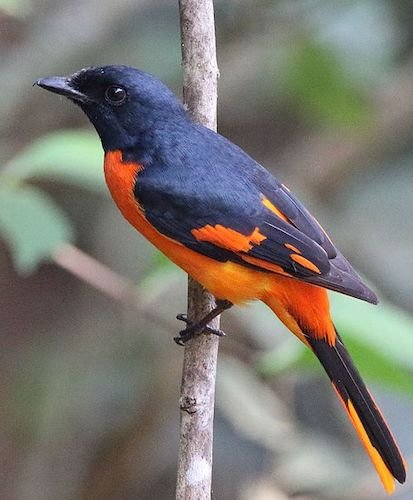
Himachal Pradesh (literally ‘Snow-laden Mountain Province’) is a state in the northern part of India. Situated in the Western Himalayas, it is one of the thirteen mountain states and is characterised by an extreme landscape featuring several peaks and extensive river systems. It is the northernmost state of India and shares borders with the union territories of Jammu and Kashmir and Ladakh to the north, and the states of Punjab to the west, Haryana to the southwest, Uttarakhand to the southeast and a very narrow border with Uttar Pradesh to the south. It also shares an international border to the east with the Tibet Autonomous Region of China. The state is also known as Dev Bhoomi, meaning ‘Land of Gods’ and Veer Bhoomi which means ‘Land of the Brave’.
Himachal Pradesh covers an area of 55,673 km2 (21,495 square miles) with a population of around 7.5 million people with summer (Shimla) and winter (Dharamshala) capitals, the former being the largest city in the state. It is a mountainous state with the Zanskar range running in the northeastern part of the state and the great Himalayan range running through the eastern and northern parts. The Dhauladhar and the Pir Panjal ranges of the lesser Himalayas, and their valleys, form much of the core regions. The outer Himalayas, or the Shiwalik range, form southern and western Himachal Pradesh. At 22,362 feet, Reo Purgyil is its highest mountain peak.
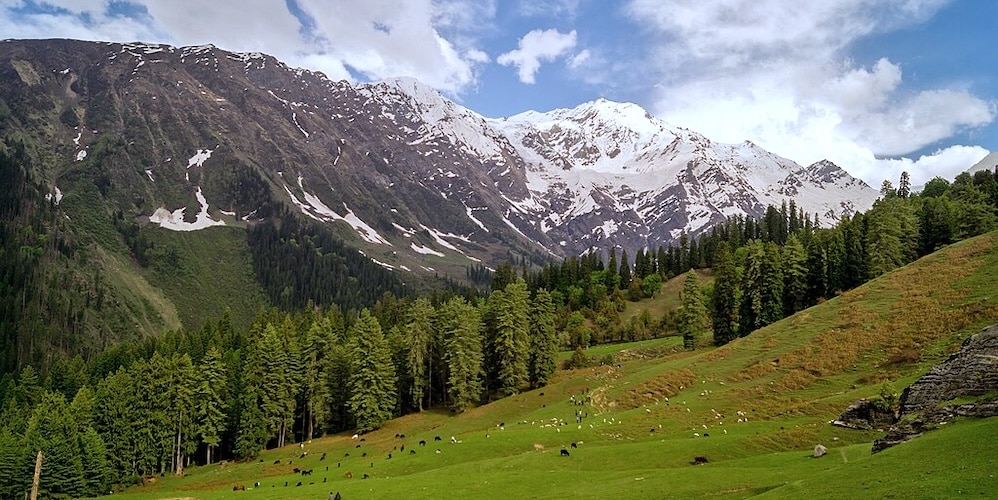
The Great Himalayan National Park – ©Suresh Karia CC BY-SA 4.0 via Wikimedia Commons
The drainage system of Himachal is composed both of rivers and glaciers. Himalayan rivers criss-cross the entire mountain chain. The state provides water to both the Indus and Ganges basins. Rivers include the Chandra Bhaga or Chenab, Ravi, Beas, Sutlej and the Yamuna. These rivers are perennial and are fed by snow and rainfall. They are protected by an extensive cover of natural vegetation. Four of the five Punjab rivers flow through Himachal Pradesh, three of them originating in the state and run through a maze of valleys separated by the mountain ranges.
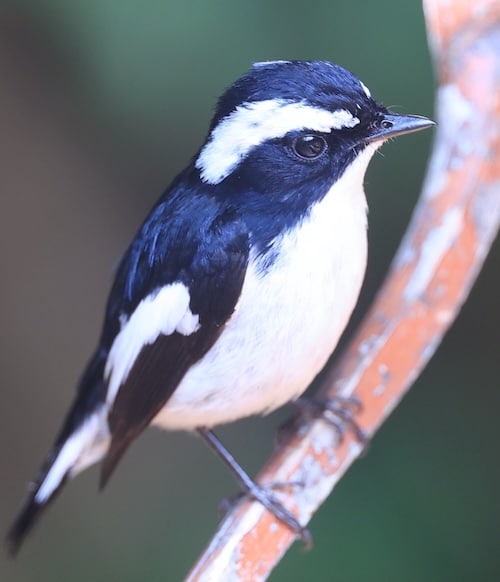
Little Pied Flycatcher Ficedula westermanni – ©Bird-Photo-Tours ASIA
Due to extreme variation in elevation, great variation occurs in the climatic conditions of Himachal Pradesh. The climate varies from hot and humid subtropical in the southern tracts to cold, alpine, and glacial climes in the northern and eastern mountain ranges. Broadly, Himachal experiences three seasons: summer, winter, and rainy season. Summer lasts from mid-April until the end of June and most parts become very hot (except in the alpine zone which experiences a mild summer) with the average temperature ranging from 28 to 32 °C. Winter lasts from late November until mid-March. Snowfall is common in alpine tracts.
Himachal Pradesh is one of the states that lies in the Indian Himalayan Region (IHR), one of the richest reservoirs of biological diversity in the world. Over 65% of the state is defined as forest although the actually wooded area is very much less. Vegetation in the state is dictated by elevation and precipitation.
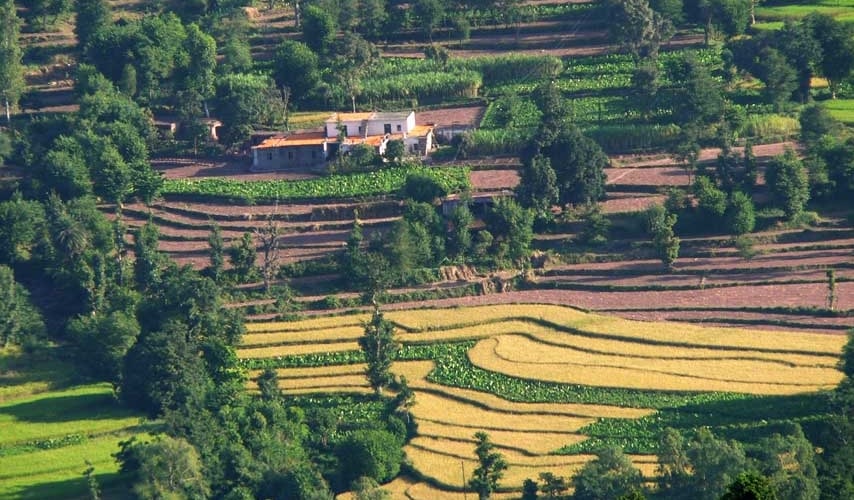
Terrace Farming in the Shivalik hills – ©Koshy Koshy CC BY 2.0 via Wikimedia Commons
Agriculture, horticulture, hydropower, and tourism are important constituents of the state’s economy. Agriculture is less than 10% of the economy, but employs two thirds of the state’s working people. The cereals grown include wheat, maize, rice and barley, with other major products being potatoes, pulses, fruits (especially apples), vegetables and oilseeds. Centuries-old traditional Kuhl irrigation system is prevalent in the Kangra valley, though in recent years these Kuhls have come under threat from hydro-projects on small streams in the valley. As the fruit bowl of the country, orchards are widespread. Meadows and pastures are also seen clinging to steep slopes. After the winter season, the hillsides and orchards bloom with wild flowers.
Birding Himachal Pradesh
Himachal Pradesh has recorded more than 800 bird species, and the Western Tragopan Tragopan melanocephalus is the state bird. There are around 77 mammals, 44 reptiles and 80 fish species.
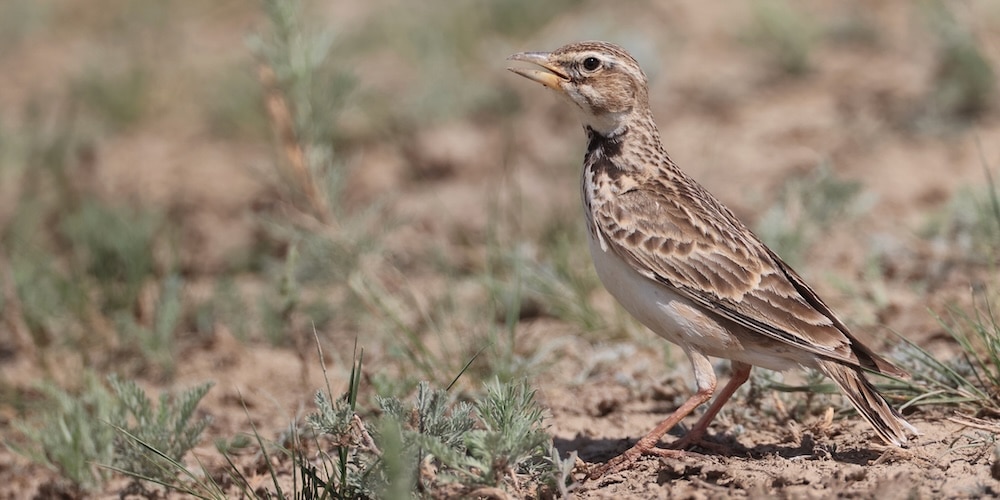
Bimaculated Lark Melanocorypha bimaculata – ©Bird-Photo-Tours ASIA
There are five National Parks. The Great Himalayan National Park, is the oldest and largest National Park, which is also a UNESCO World Heritage Site. It is found in the Kullu districts of Himachal Pradesh and has an area of 620 km2 and ranges from an altitude of 1500 meters to 4500 meters. There are various forest types found there such as Deodar, Himalayan Fir, Spruce, Oak and Alpine pastures. It has Snow leopard, Yak, Himalayan black bear, Western tragopan, Monal and Musk deer. Other reserves hold Indian porcupine and giant flying squirrel. Pin Valley National Park, Inderkilla, Khirganga and Simbalbara are the other national Parks. There are also at least 30 wildlife sanctuaries and other reserves.
This page is sponsored by Bird-Photo-Tours ASIA

-
Wikipedia
GNU Free Documentation License
https://en.wikipedia.org/wiki/Himachal_Pradesh
-
Number of bird species: 802
(As at June 2025)State Bird: Western Tragopan Tragopan melanocephalus
-
Avibase
PDF ChecklistThis checklist includes all bird species found in Himachal Pradesh , based on the best information available at this time. It is based on a wide variety of sources that I collated over many years. I am pleased to offer these checklists as a service to birdwatchers. If you find any error, please do not hesitate to report them. -
E-Bird
PDF ChecklistThis checklist is generated with data from eBird (ebird.org), a global database of bird sightings from birders like you. If you enjoy this checklist, please consider contributing your sightings to eBird. It is 100% free to take part, and your observations will help support birders, researchers, and conservationists worldwide.

-
Birds Recorded During a Study in Himachal Pradesh
| By Diljeet Singh | Renu Publishers | 2015 | Paperback | 184 pages, plates with colour photos | ISBN: 9788185502038 Buy this book from NHBS.com -
Birds of the Indian Subcontinent
| By Richard Grimmett, Carol Inskipp & Tim Inskipp | Helm | 2025 | Edition 2 | Paperback | 544 pages, 240+ plates with colour illustrations; colour distribution maps, b/w illustrations | ISBN: 9781472984777 Buy this book from NHBS.com
Birds of the Indian Subcontinent
Apple iOS | AndroidThe eGuide to Birds of the Indian Subcontinent is an interactive companion to Birds of the Indian Subcontinent – the definitive guide for birdwatchers visiting the region. It covers India, Pakistan, Nepal, Bhutan, Bangladesh, Sri Lanka and the Maldives. This application has specific features that will enhance your birding experience.
Indian Birds
Apple iOS | AndroidPioneers in bringing Indian Birding to the smart phone generation - Introducing Indian Birds, the time-honoured and cherished birding companion for India. Established in 2010, it proudly remains the sole mobile app available on App Store, offering bird enthusiasts the ability to explore bird namesReserves-
*List of protected areas of Himachal Pradesh
InformationSatellite ViewNational Forests, Sactuaries & National Parksa -
NP Great Himalayan National Park
InformationSatellite ViewThe park represents an excellent crossection of western Himalayan avifauna. The Western Tragopan, a highly endandered species of pheasant, is one of 300 species of birds. -
NP Inderkilla National Park
InformationSatellite ViewIt covers an area of about 104 square kilometres (40 sq mi) Over 250 species of birds have been recorded in the park. -
NP Khirganga National Park
InformationSatellite ViewLocated in Kullu, the park covers an area of about 710 square kilometres (270 sq mi) Over 200 bird species reside here, including the Western tragopan, Himalayan monal, and golden eagle. -
NP Pin Valley
InformationSatellite ViewBecause of the park's high altitude and extreme temperatures, the vegetation in the area is scant, consisting mostly of alpine trees and patches of Himalayan cedar. In summer, rare birds like the Himalayan snowcock, chukar, snow partridge and snowfinch flourish in the area. The park's unexplored higher reaches and slopes are habitats for a number of endangered mammals including the snow leopard and Siberian ibex. -
NP Simbalbara
InformationSatellite ViewSimbalbara National Park is a national park in India, located in the Paonta Valley of Sirmour District, Himachal Pradesh, along its border with Haryana. The vegetation consists of dense Sal forests with grassy glades. -
WS Kanwar Sanctuary
InformationSatellite ViewBlack Kite, Ring-necked Parakeet, Common Hoopoe, Yellow-billed Blue Magpie, Verditer Flycatcher, Long-tailed Minivet, and various Thrushes, Tits, and Warblers -
WS Chail Sanctuary
InformationSatellite ViewChail Sanctuary is located at Chail, a hill station which is abode of wildlife. One can see sambar, goral and cheer pheasants at Blossom and Jhaja. Barking deer and kalijin are seen during dusk and dawn. The best time to visit is from March to October. -
WS Churdhar Sanctuary
InformationSatellite ViewThe sanctuary is named after the Churdhar Peak. Churdhar (elevation of 3,647 metres; 11,965 feet) is the highest peak in Shimla district and is also the highest peak in the outer Himalayas. The total covered area of this sanctuary is 56.16 square kilometres. -
WS Daranghati Sanctuary
InformationSatellite ViewThe Daranghati Sanctuary is located in Shimla District Rampur Bushahr, Himachal Pradesh, India. It has undisturbed forest areas. Monal, Tragopan, Koklas and Kalij are the pheasants found here. -
WS Kalatop Khajjiar Sanctuary
InformationSatellite ViewThe sanctuary area is well laid out for trekking trails both at Kalatop and Khajjiar. There is a dense deodar and fir forest covering 19.63 km² of the sanctuary, which is about 6 km from Dalhousie. Pheasants, serow and black bear are some of the common animals found here. -
WS Kugti Sanctuary
InformationSatellite ViewKugti Sanctuary is the second largest sanctuary in the state of Himachal Pradesh. Monal, snow cock, jungle babbler, red-billed babbler, great hill barbet, black bul-bul, redvented bul-bul, white cheeked bul-bul, crested bunting, greyhead bunting, and more. -
WS Maharana Pratap Sagar
InformationSatellite ViewMaharana Pratap Sagar, also known as Pong Reservoir or Pong Dam Lake, is a large reservoir in Fatehpur, Jawali and Dehra tehsil of Kangra district of the state of Himachal Pradesh. It is a well-known wildlife sanctuary and one of the 49 international wetland sites declared in India by the Ramsar Convention. The main bird species reported are the bar-headed goose (Anser indicus), northern lapwing, ruddy shelduck, northern pintail, common teal, Indian spot-billed duck, Eurasian coot, red-necked grebe, black-headed gulls, plovers, black stork, terns, water-fowl and egrets. -
WS Renuka
InformationSatellite ViewThe fauna of the area including the birds are Lepopard, Samber, Spotted Deer, Barking deer Jackal, Hare, Jungle cat, Plam Civet, Porcupine, Blue jay, Black Partridge, Drongos, Hill Crow, Scarlet Minivet, Bulbul, Common Coots, Green Pigeons…
Sightings, News & Forums-
eBird
SightingseBirding This Month
Guides & Tour Operators-
Asian Adventures
Local Tour OperatorNarkanda, Sangla, Shoja and GoshainiHimachal Birding Tour -
BirdQuest
Tour OperatorWESTERN TRAGOPAN EXPEDITION – The jewel of the Great Himalaya -
Bubo Birding
Tour OperatorThis north India tour provides an incredible amount of diversity in a relatively small area and short time. It concentrates on two main sites in the Kangra Valley of Himachal Pradesh, an area that deserves more birding attention -
Easy My Journey
Local Tour OperatorHimachal Bird Watching Tour is a wonderful tour for the bird watchers who have good physical health and can walk in high altitude areas. -
Incredible Himalayas
Local Tour OperatorItinerary : Delhi - Narkanda - Sangla - Sarahan - Tirthan Valley - Banjar Valley -
India Footprints Adventure
Local Tour OperatorHimachal High Altitude Birding Trip -
Inside Indian Jungles
Local Tour OperatorHimachal Pradesh is a Himalayan state thus blessed by nature and wildlife. It has got numerous valleys, mountains, wildlife sanctuaries, national parks, rivers, lakes and other water bodies and all of these make it as a paradise for birding tours in India. -
JungleLore
Local Tour OperatorThis tour provides an incredible number of high-altitude birds in a short time, concentrating on sites with a fantastic number of species. -
Soar Excursions
Tour OperatorThe forests and grasslands in the Himalayan foothills and great Himalayan ranges in Himachal Pradesh, Uttarakhand, Jammu, and Kashmir regions are a heaven for Himalayan avifauna watchers. -
Summit Safari
Local Tour OperatorBirding In The Hills And Mountains Of India - 14 Nights / 15 Days
Trip Reports-
2016 [08 August] - Ankit Sood
ReportWe spent 10 days in the pristine Tirthan Valley and camped for five days inside the Great Himalayan National Park.
Places to Stay-
Parkwoods Forest Retreat
AccommodationParkwood Shogi, near Shimla, is a great destination base for bird watching. The verdant, sylvan surroundings in the Himalayan ambience are home to many different species of birds -
Raadballi Retreat
AccommodationAlso Himachal can be divided into three major sub-regions denoting differences in topography. They are 1. Great Himalayan region 2. Middle and lower hills region 3. Shivalik foothills region. Resultantly, all the above factors combine to make Himachal a home for greater variety of birds -
Rakkh, a Nature Resort in Dharmashala
AccommodationFor avid as well as curious bird watchers, Kangra is a haven, full of colourful birds. With over 550 species of birds, endemic and migratory, Palampur is the ideal vacation to spot these birds.
Fatbirder - linking birders worldwide...
Skip to content